Skip to content
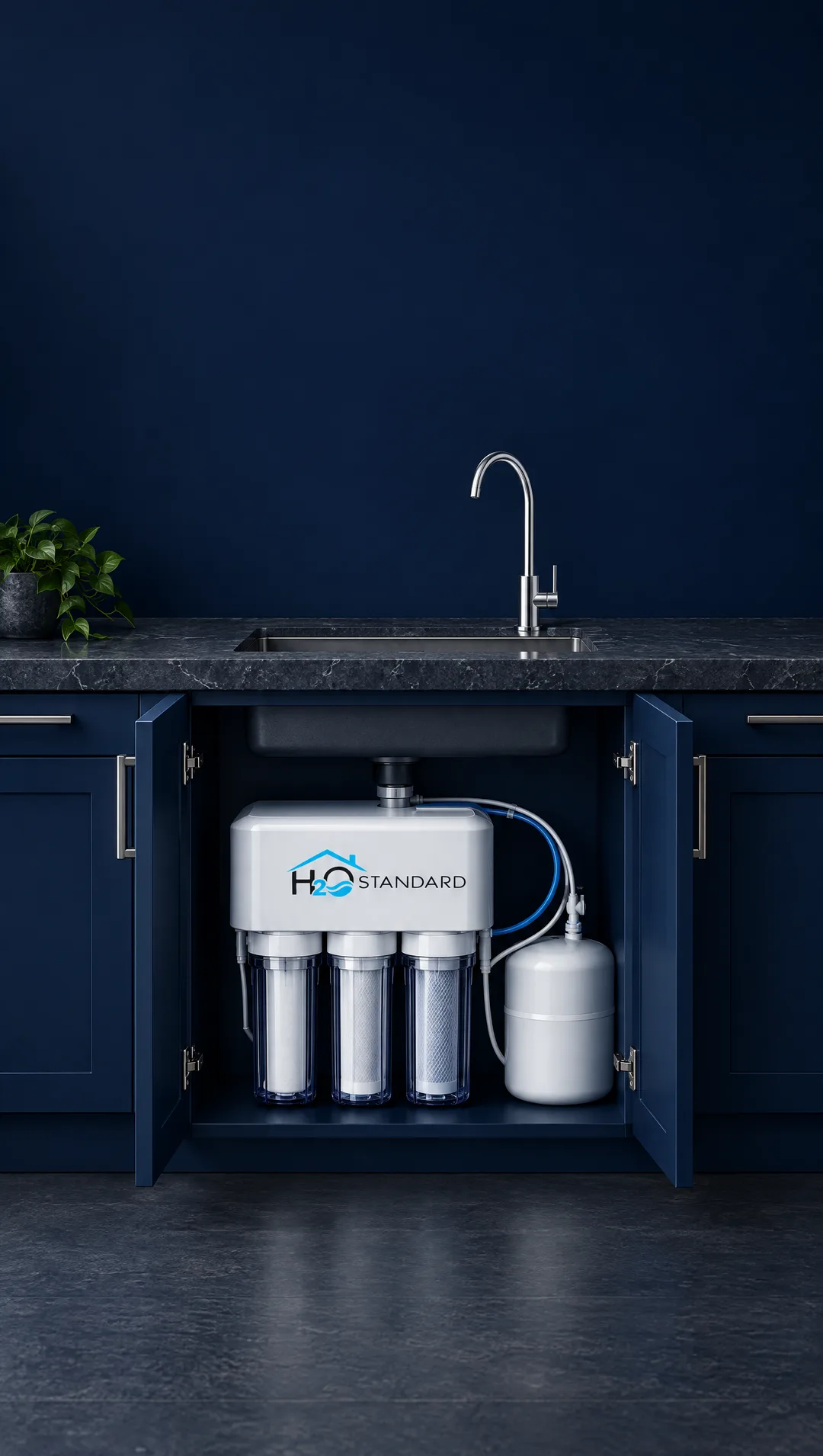
The H2O Standard reverse osmosis system under a kitchen sink, with its own chrome drinking water faucet on the counter

Reverse osmosis water filter: bottled-water taste straight from your tap

Stop buying bottled water. Get pure water at your kitchen sink.

  • Pure drinking water
  • Licensed install
  • 30-day money-back guarantee

Want the answer for your home?

Tell us your ZIP code and a rep calls you within 5 minutes to answer every question. No pressure, no sales visit.

You're probably on this page because:

  • You're still hauling cases of bottled water home
  • Your tap water tastes off, even from the fridge
  • You're worried about PFAS, lead or microplastics in what your kids drink

Bottled-water taste can come straight from your tap.

A dad carrying heavy cases of bottled water into his kitchen
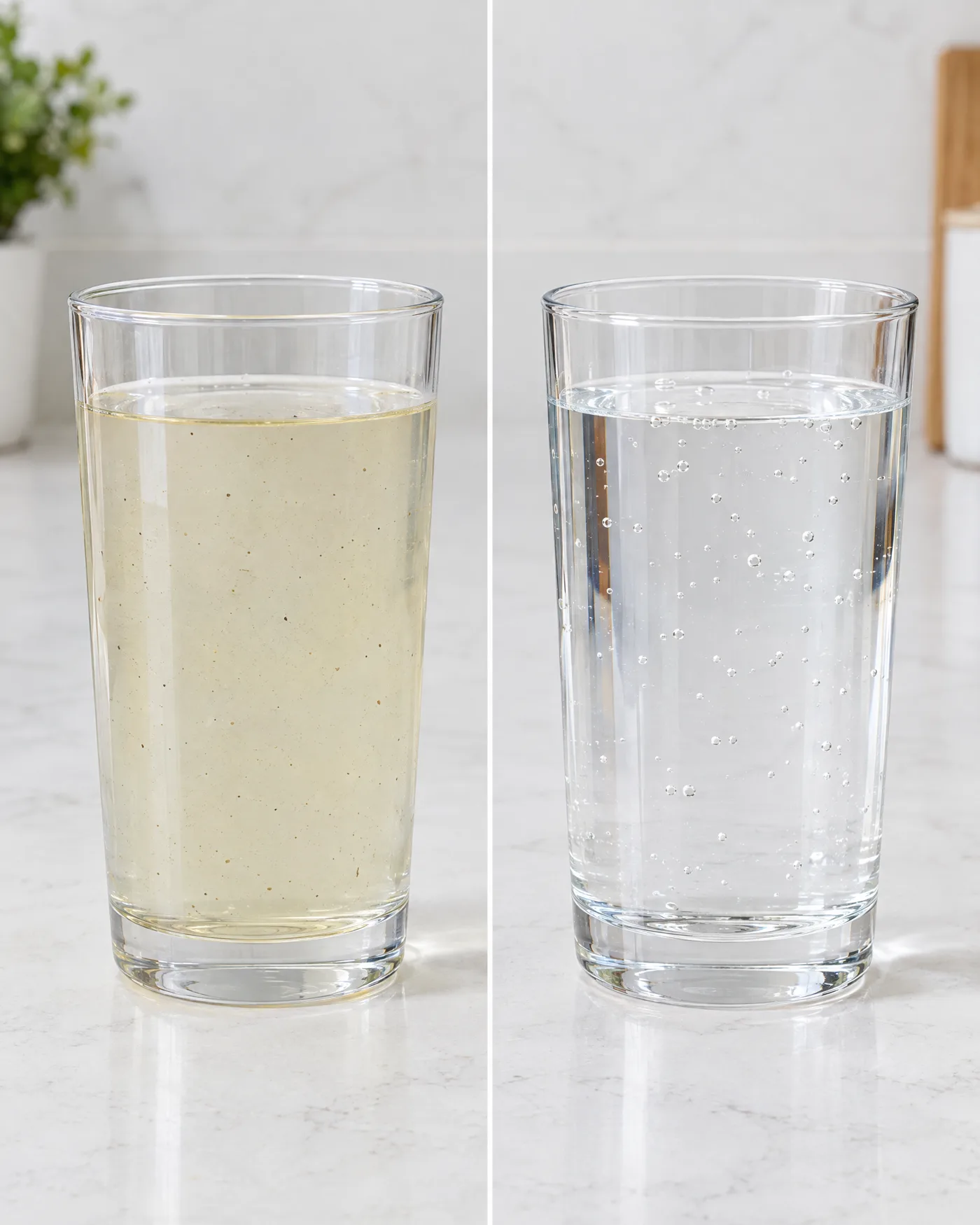
Two glasses side by side: cloudy tap water with specks, and clear reverse osmosis water
BeforeAfter

Drinking water, by the numbers

  • 4 parts per trillion: the EPA's new limit for PFOA and PFOS in drinking water.
  • 33 parts per trillion: the highest PFOS level in Miami-Dade's 2025 water report.
  • 59% of people are concerned about their water quality.

Sources: EPA PFAS drinking water rule (2024); Miami-Dade WASD 2025 Water Quality Report; WQA 2025 Consumer Insights via WCP.

What reverse osmosis takes out

What each model reduces depends on its certification. For bacteria, add UV.

Our RO systems

  • H2O-105 under-sink filter
  • H2O-210 reverse osmosis system
  • Included in City Water, Dual-Tank and Ultimate systems

Want clean water at every tap, not just the sink?

RO fixes your drinking water. A whole-house system fixes every shower, faucet and appliance too.

Our City Water System includes this RO plus a whole-house softener and carbon filter: $2,950 installed.

Every install comes with

  • Licensed local plumber install
  • Before-and-after water test
  • 30-day money-back guarantee on the system
  • Warranty: manufacturer warranty on the equipment, plus 1 year on labor
  • Filter subscription option: new filters every 6 months

The H2O Standard Vs. The Usual Options

Most homeowners end up choosing between an in-home dealer and a big-box DIY kit. Here's how they stack up, in our honest opinion.

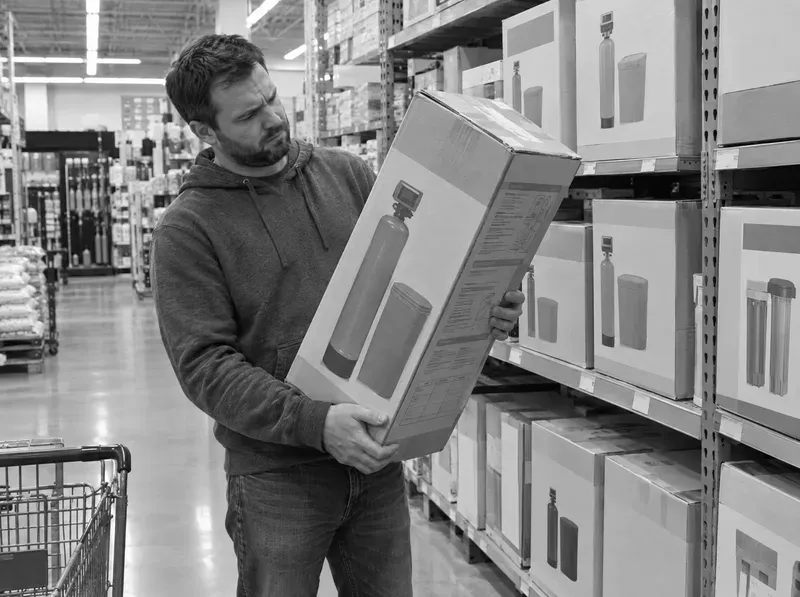
What mattersThe H2O StandardA water treatment salesman pitching a couple at their kitchen tableIn-home dealerA homeowner reading the side of a boxed water softener in a store aisleBig-box DIY
Price you can see before anyone visitsOne flat priceQuoted at your kitchen tableBox price only
No sales pitch in your living roomOften a 2 to 3 hour visit
Installed by a licensed local plumberTheir own crewYou do it
Sized to your water and householdFrom your ZIP's water reportAfter their in-home testGuesswork
Softener, carbon, RO and remineralization togetherOne priceUsually sold separatelyBought one by one
Equipment straight from the sourceMaster distributorDealer markupRetail brands
A water expert to answer questionsBefore and after you buyThe salesperson
30-day money-back guaranteeRarelyStore return policy

Our Drinking Water Systems

Life with it vs. without

Without It

  • Buying and hauling bottled water
  • Guessing what's in your glass
  • Cloudy ice and off-tasting coffee
  • Second-guessing the water you cook with
  • A fridge filter that barely helps
  • Tap water that tastes off

With It

  • Pure water at your kitchen sink
  • Certified reduction of lead, PFAS and more
  • Clear ice, better coffee and tea
  • Clean water for cooking and the kids' bottles
  • Fresh-tasting water at the kitchen sink
  • Water that tastes clean and fresh

How we work, start to finish

  1. 1

    You reach out or book online

  2. 2

    A rep calls you, usually within 5 minutes, to confirm your system and answer questions

  3. 3

    We schedule a licensed local plumber, usually within a week

  4. 4

    Install day: a few hours, plus a before-and-after water test

  5. 5

    After that: new filters every 6 months if you subscribe

Our Honest Take

The H2O Standard water team, 20+ years in water treatment

Will it actually save you money?

If you buy bottled water, yes, and usually quickly. A family drinking and cooking with bottled water spends real money every month and hauls heavy cases home. Reverse osmosis at the kitchen sink gives you water that's as clean or cleaner, for the cost of filter changes.

How it works

Water is pushed through a very fine membrane that lets water through and holds back most dissolved solids, metals and contaminants. Pre-filters protect the membrane, and a remineralization stage adds back a touch of calcium and magnesium so the water tastes good instead of flat. It sits under your sink with its own faucet.

What most people get wrong

The myths. "RO water is unhealthy because it removes minerals": you get your minerals from food, and remineralization handles the taste. "RO wastes a ton of water": modern systems are far more efficient than older ones. And "any RO is the same": membrane quality and stages matter.

What we do instead

Every one of our complete systems includes reverse osmosis with remineralization in the price, because after 20+ years we think good drinking water shouldn't be an upsell. A licensed plumber installs it under your sink.

Reverse osmosis myths we hear every week

We've been wholesaling filtration equipment to water companies for years and building our own with our manufacturers. Here's what we've seen work.

"RO water is dead water." RO removes most dissolved minerals, and that's the point: it removes the bad stuff too. But most of the minerals your body needs come from food, not water. If you like the taste of minerals, a remineralization stage adds calcium and magnesium back. All of our RO systems include one.

"RO wastes a ton of water." Older tank systems did send several gallons down the drain for every gallon made. Newer tankless designs and systems with a permeate pump waste far less. Ask any installer for the ratio before you buy.

"RO kills bacteria." Don't count on it. RO membranes aren't certified to make unsafe water safe from microbes. If bacteria is a concern, like some well water, add UV treatment.

"All RO systems are the same." Not even close. Look for NSF/ANSI 58 certification and check the performance data sheet for the specific contaminants you care about, like lead, fluoride or PFOA and PFOS. A system that says "removes up to 99%" with no certification hasn't proven it.

Tank or tankless? Tank systems store purified water so it's ready instantly, but take more space under the sink. Tankless systems make water on demand, fit tighter cabinets and waste less. For most kitchens today, we recommend tankless.
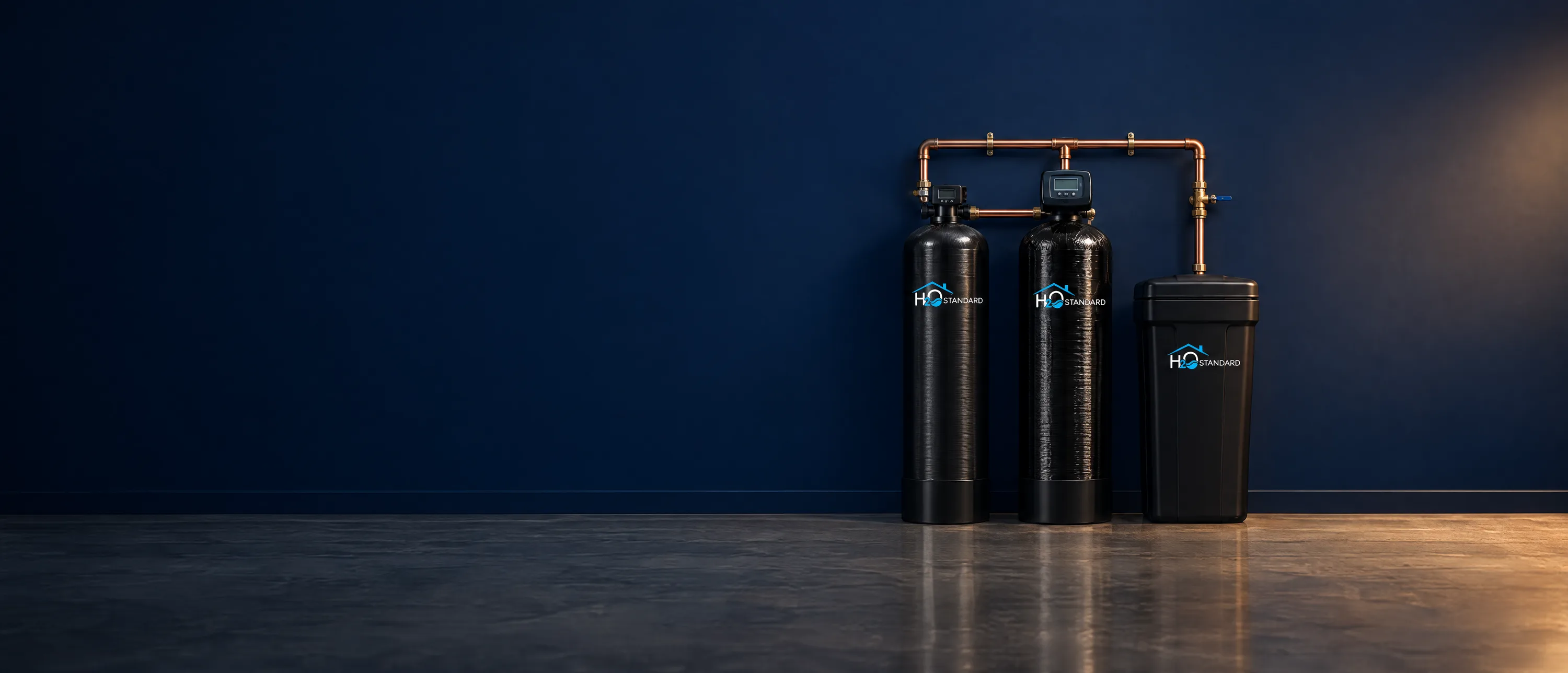
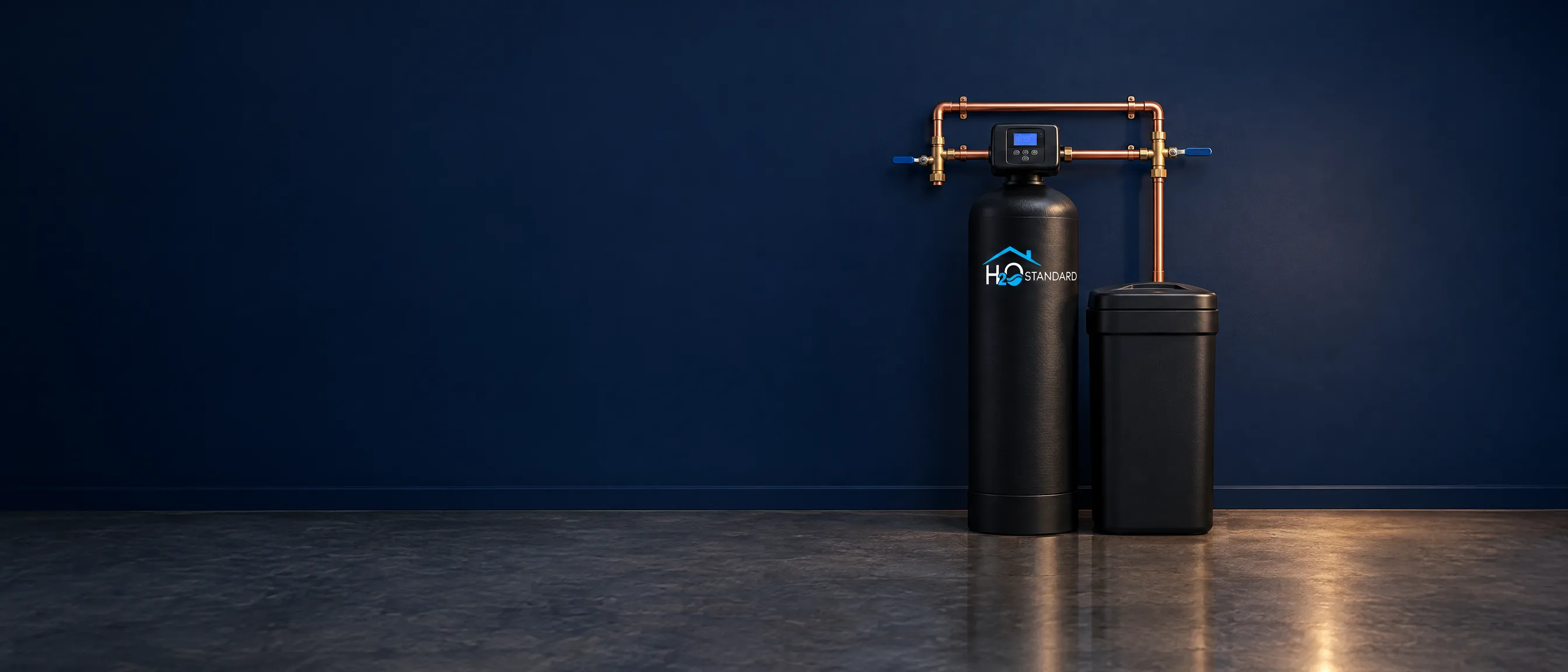
Drinking water we trust for our own families

20+ years supplying RO systems. Certified for what we say it removes.

  • 20+ years in water
  • Our own patents
  • We supply other water companies
  • 15,000+ of systems sold
  • Licensed installers
  • 30-day money-back guarantee

Questions people ask

Is reverse osmosis water good for you?

Yes. It's very clean water. Most of the minerals your body needs come from food, not water, and remineralization adds calcium and magnesium back for taste.

What reverse osmosis system do you install?

A 4-stage reverse osmosis system with hydrogen, under your sink with its own faucet. The membrane lasts about 5 years, and the pre-filters ship on schedule if you subscribe.

Does reverse osmosis remove fluoride?

Yes, RO is one of the few home systems that reduces fluoride.

Does reverse osmosis remove minerals?

Yes, along with almost everything else dissolved in the water. That's why our systems add minerals back.

Is reverse osmosis water the same as distilled water?

No. Distilled water is boiled and condensed; RO is pushed through a membrane. Both are very low in dissolved solids, but RO is made right at your sink.

Does reverse osmosis waste water?

Every RO system flushes some water down the drain to keep the membrane clean. Newer tankless systems and permeate pumps waste far less than older designs.

Does reverse osmosis remove bacteria?

Don't rely on RO for bacteria. If your water may have bacteria, like some well water, add UV.

How much does a reverse osmosis system cost?

We quote a standalone under-sink system on a quick call. It's included in our City Water System, $2,950 installed with a whole-home softener and filtration.

How often do you change reverse osmosis filters?

Pre-filters about every 6 to 12 months, the membrane about every 5 years. Subscribe and new filters arrive every 6 months.

Is reverse osmosis worth it?

If you buy bottled water or worry about what's in your tap water, yes. Clean water from your own faucet, every day.

Clean water from your own faucet