After 15,000+ of filtration systems sold, these are the questions customers ask us most:
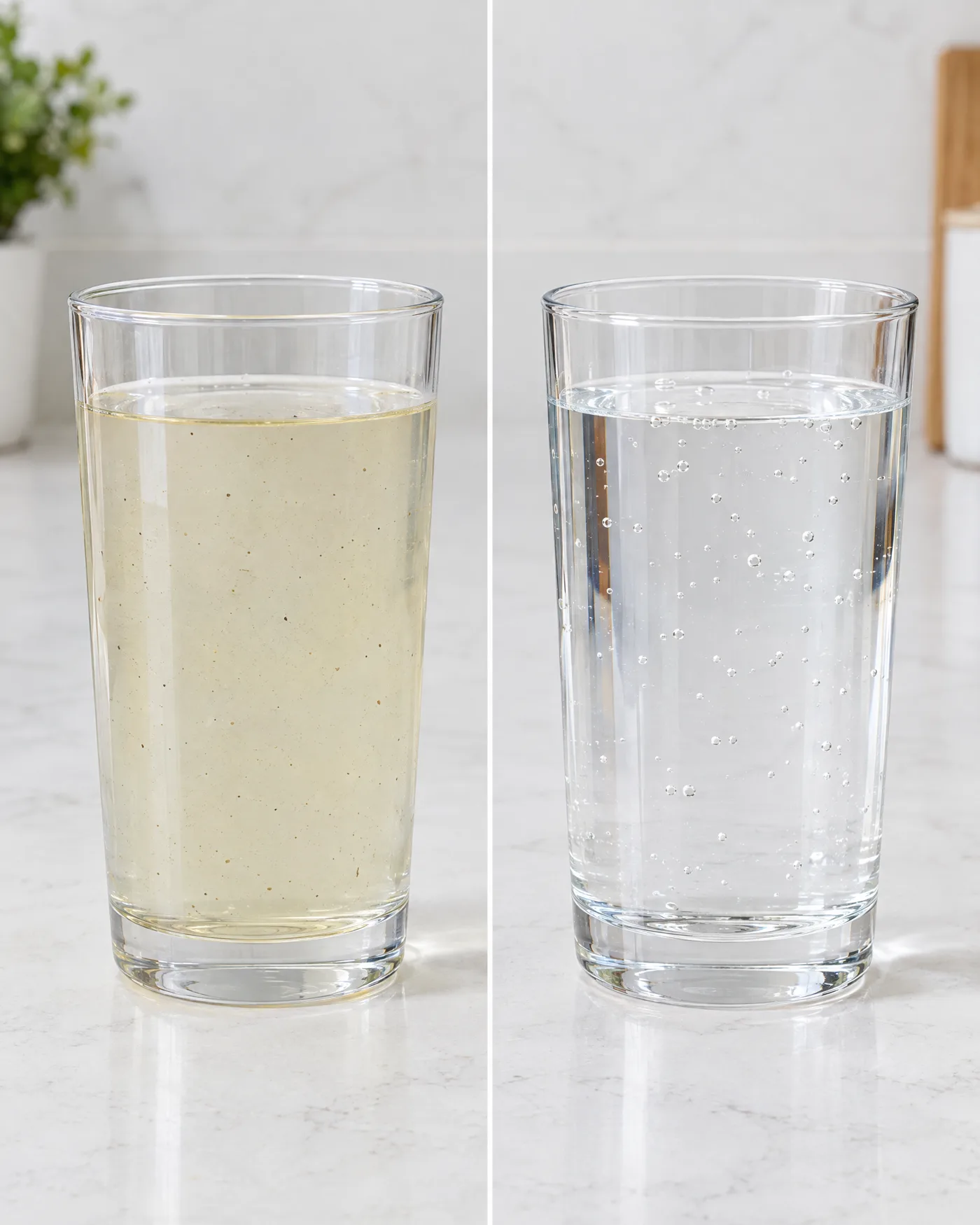
Most people start with a pitcher or a filter that clips onto the faucet. They're cheap, and they do help with chlorine taste. But they're small, they filter slowly, and the cartridges run out fast. Many people keep using them long after they've stopped working, because nothing tells you when a filter is done.
Here's how the options really stack up:
Pitcher or faucet-mount: better taste, small amounts, frequent cartridge changes.
Under-sink carbon filter: better taste and more capacity, out of sight, changes about twice a year.
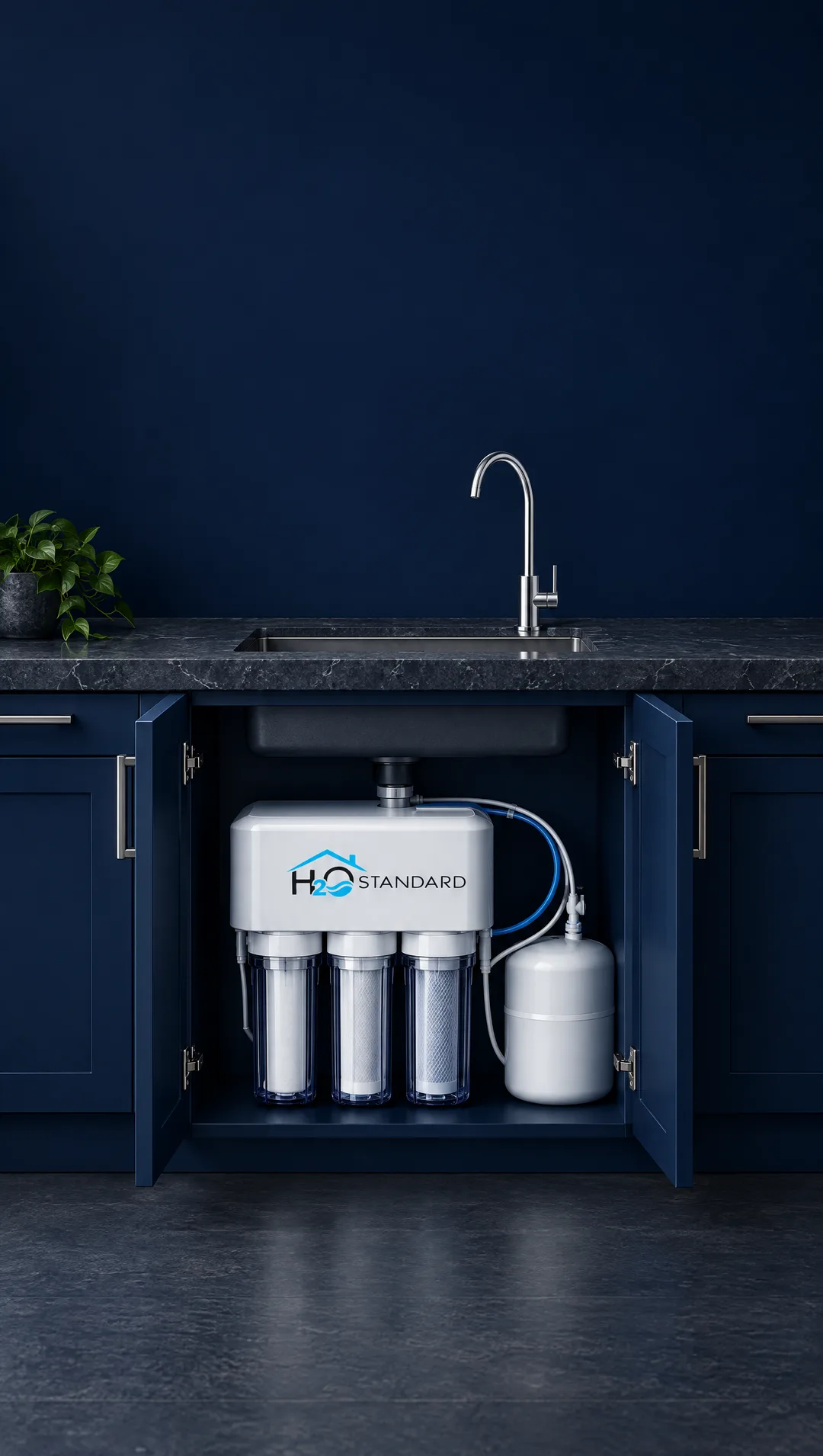
Under-sink reverse osmosis: the deepest clean. Certified systems reduce lead, fluoride, PFAS and most dissolved solids.
Before you buy any sink filter, check four things. One: is it certified by NSF, WQA or IAPMO, and for what? NSF/ANSI 42 covers taste and chlorine, 53 covers health contaminants like lead, and 58 covers reverse osmosis. Two: how many gallons a day it makes. Three: what the filters cost per year, not just the unit. Four: whether it needs its own faucet. A filter with no certification for a contaminant hasn't proven it removes it, no matter what the box says.
That's how we pick what we install: certified for what we say it removes, sized for real kitchens, and filters that show up on their own every 6 months.