Skip to content
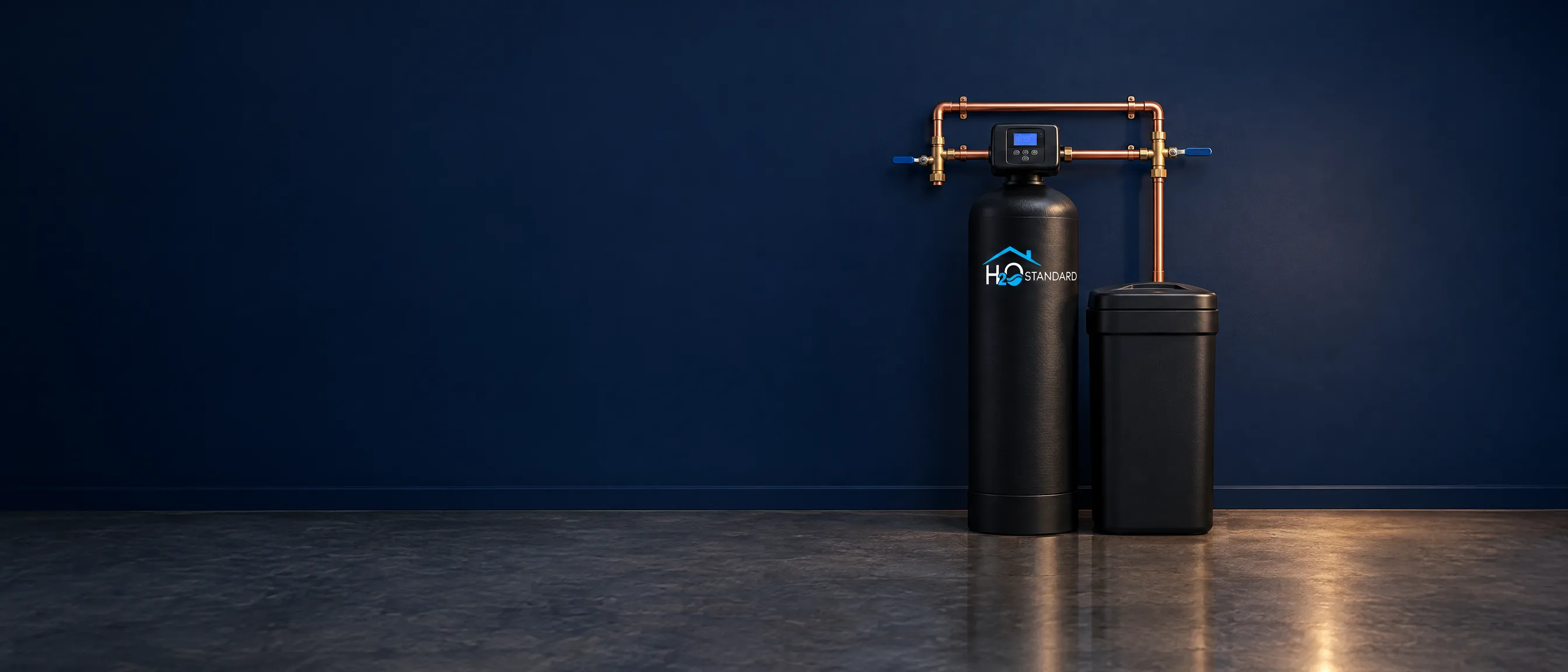
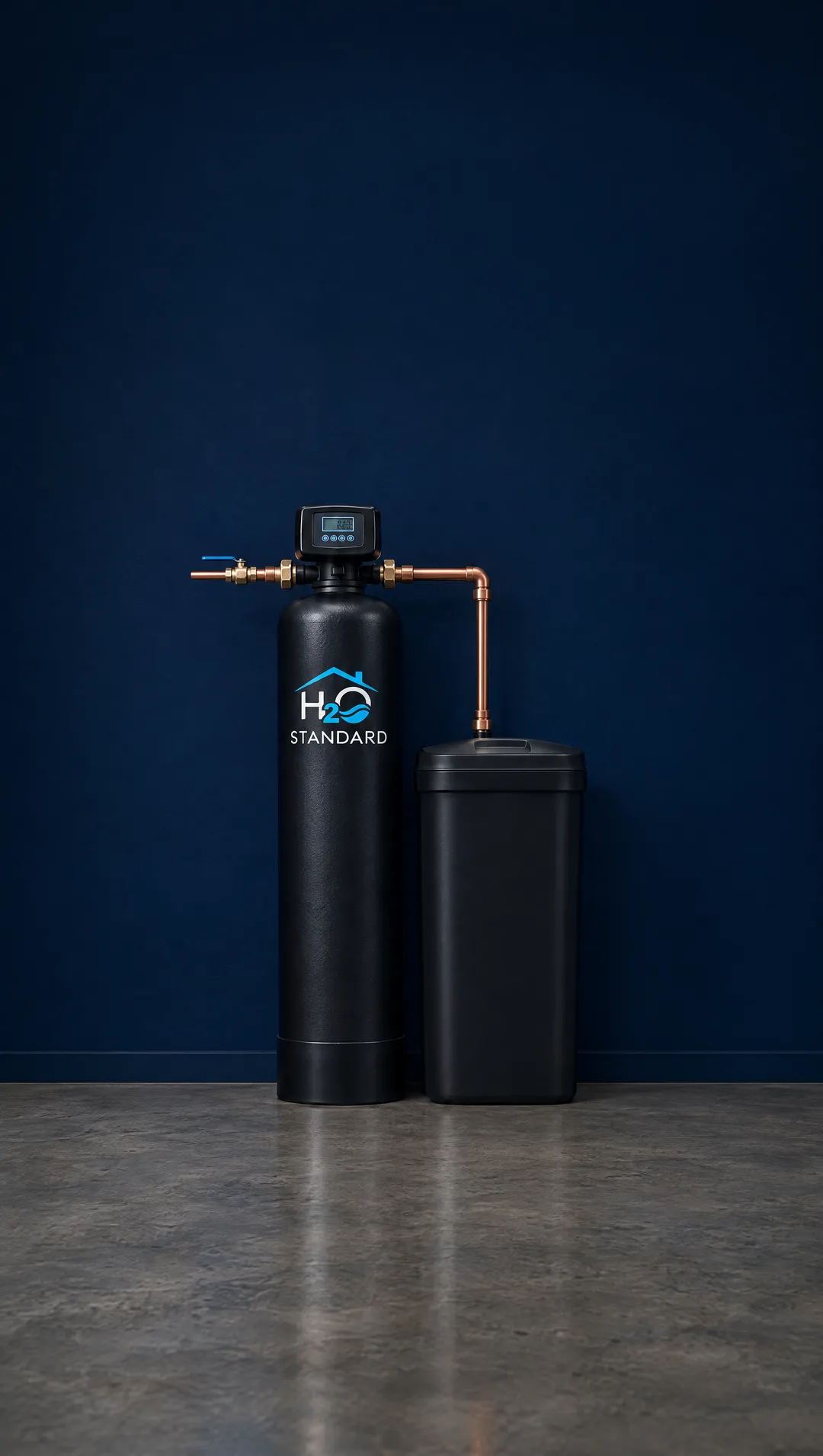
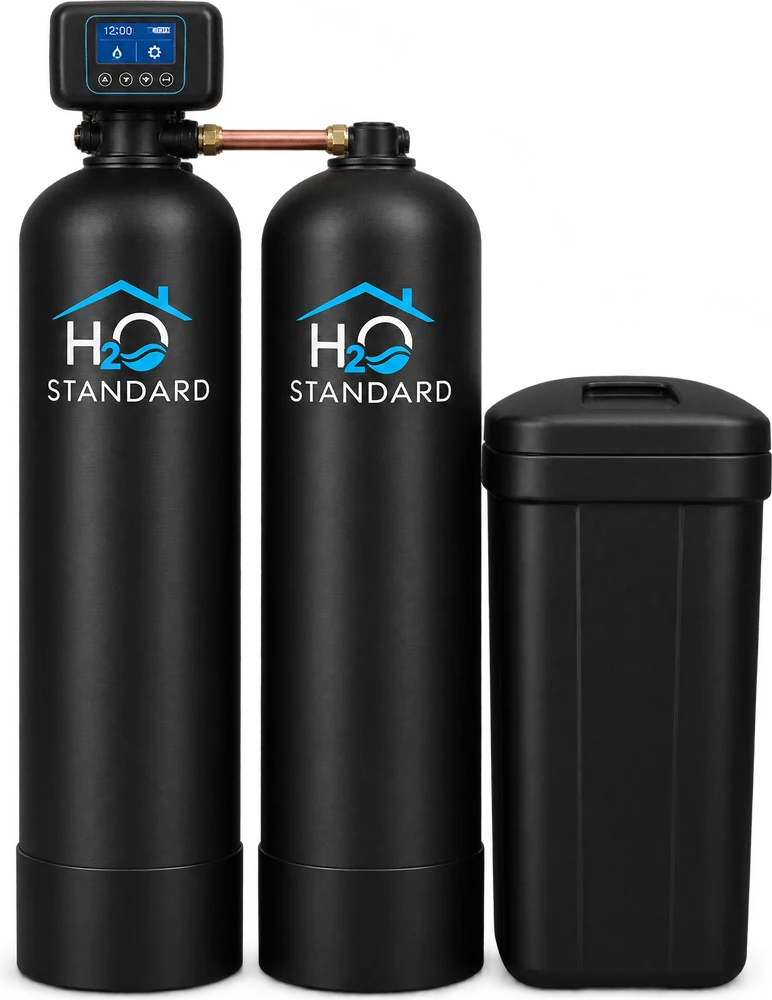
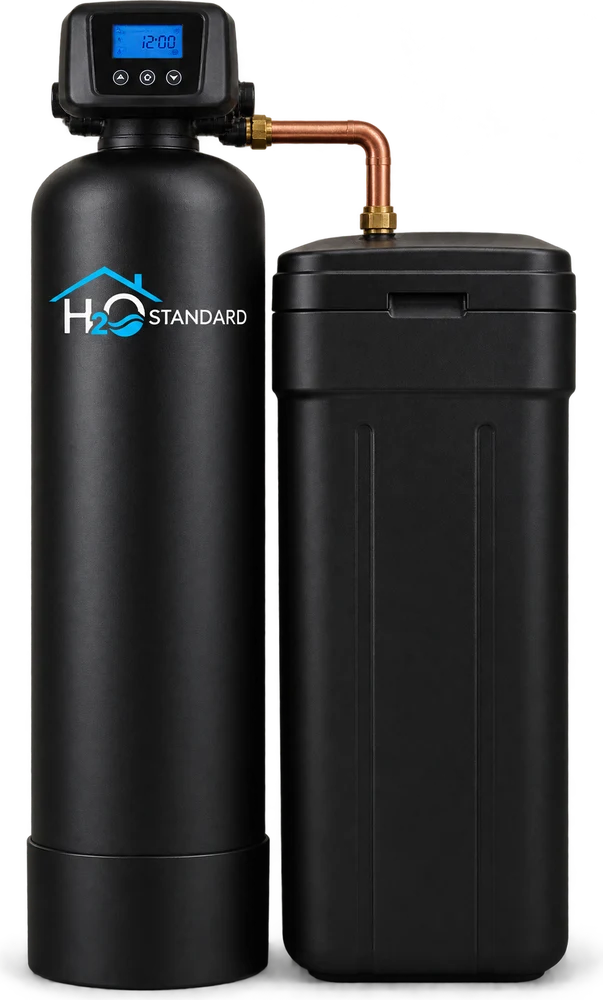
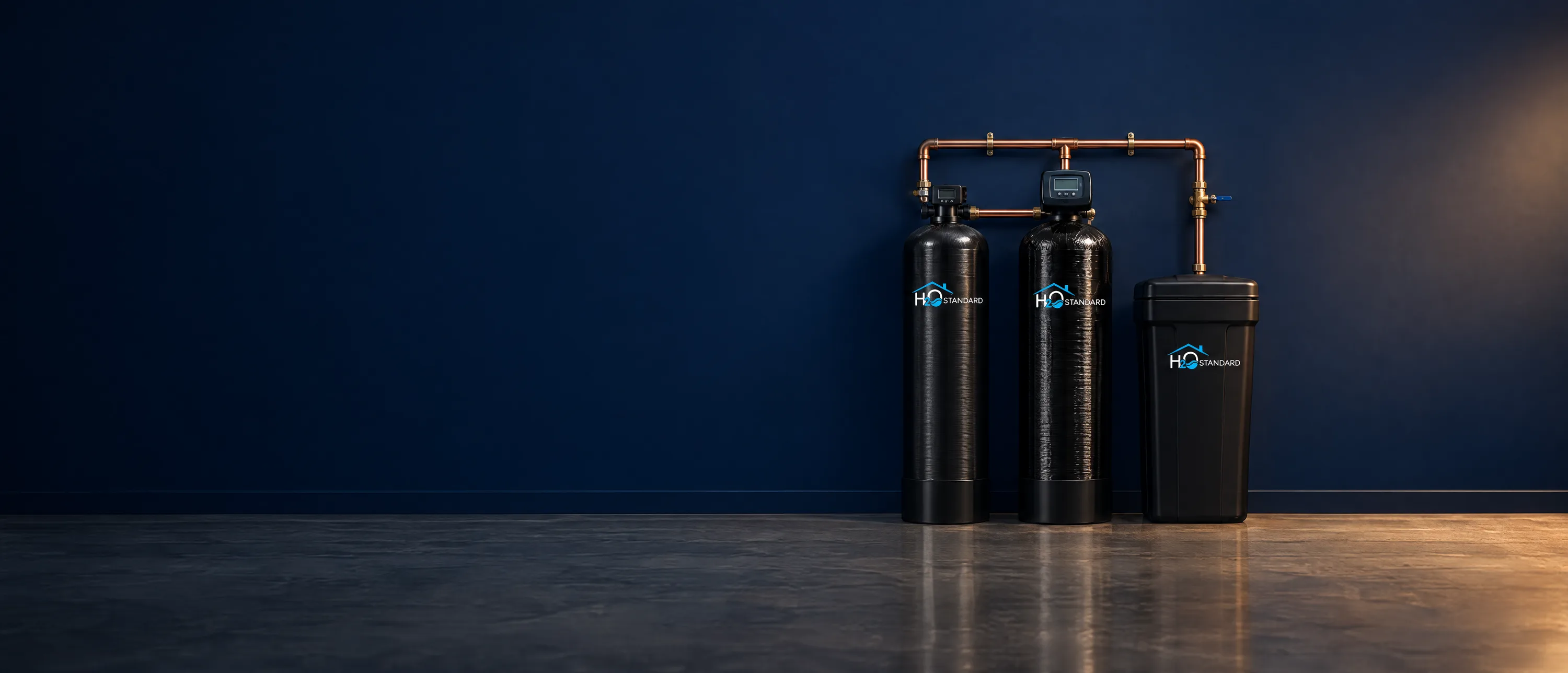
The H2O Standard water softener: one resin tank with a digital valve and a brine tank

Water softeners that end hard water spots, scale and dry skin

Get the right size for your home. Start with a free water report.

  • Sized to your home
  • Licensed install
  • 30-day money-back guarantee

Want the answer for your home?

Tell us your ZIP code and a rep calls you within 5 minutes to answer every question. No pressure, no sales visit.

You're probably on this page because:

  • Your family complains their skin feels dry after every shower
  • You scrub the white crust off the faucets and it comes right back
  • You cringe when guests see your shower glass

It's not you. It's your water. And it's an easy fix.

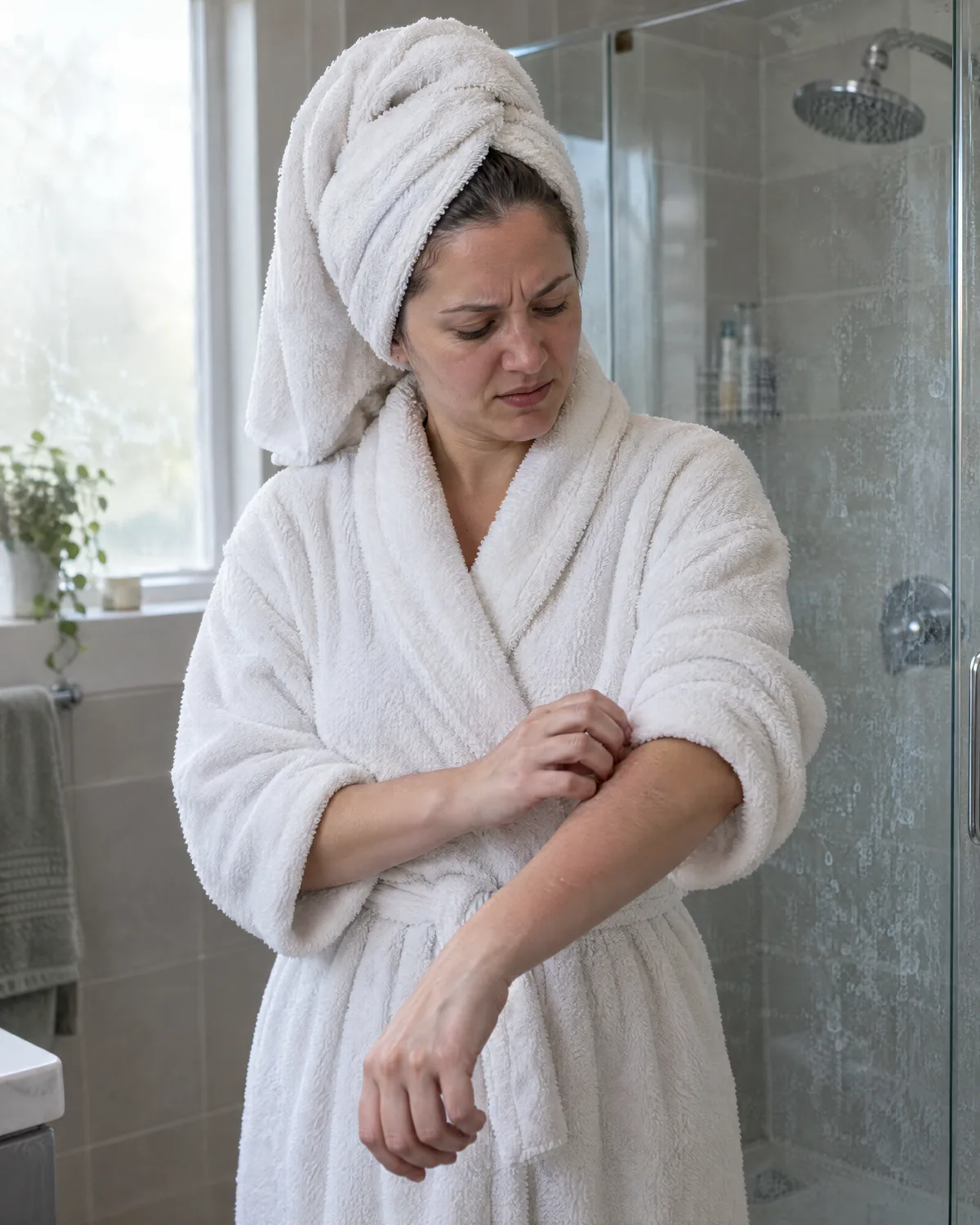
A woman in a bathrobe scratching dry, itchy skin on her arm after a shower, with hard water spots on the shower glass behind her

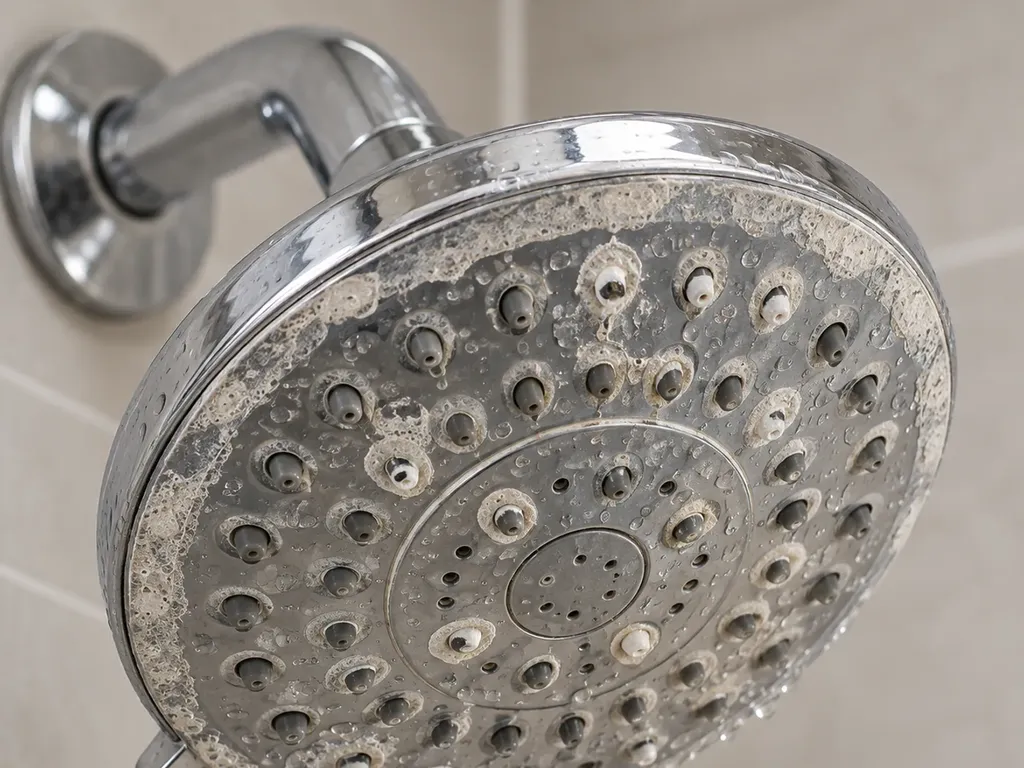
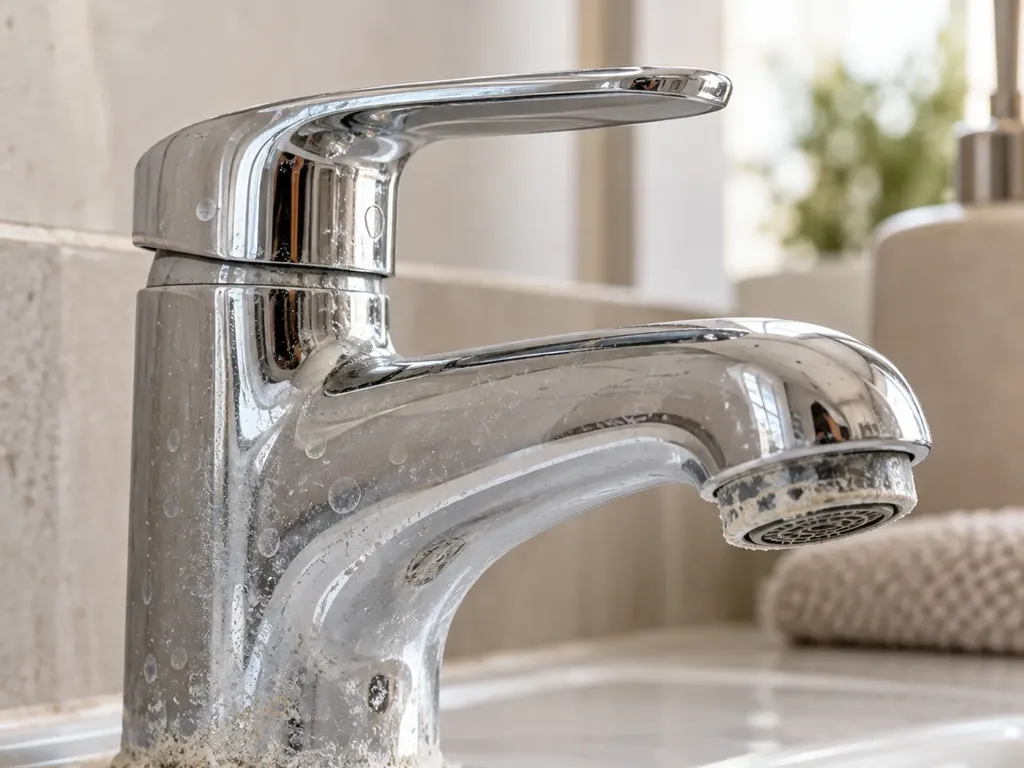
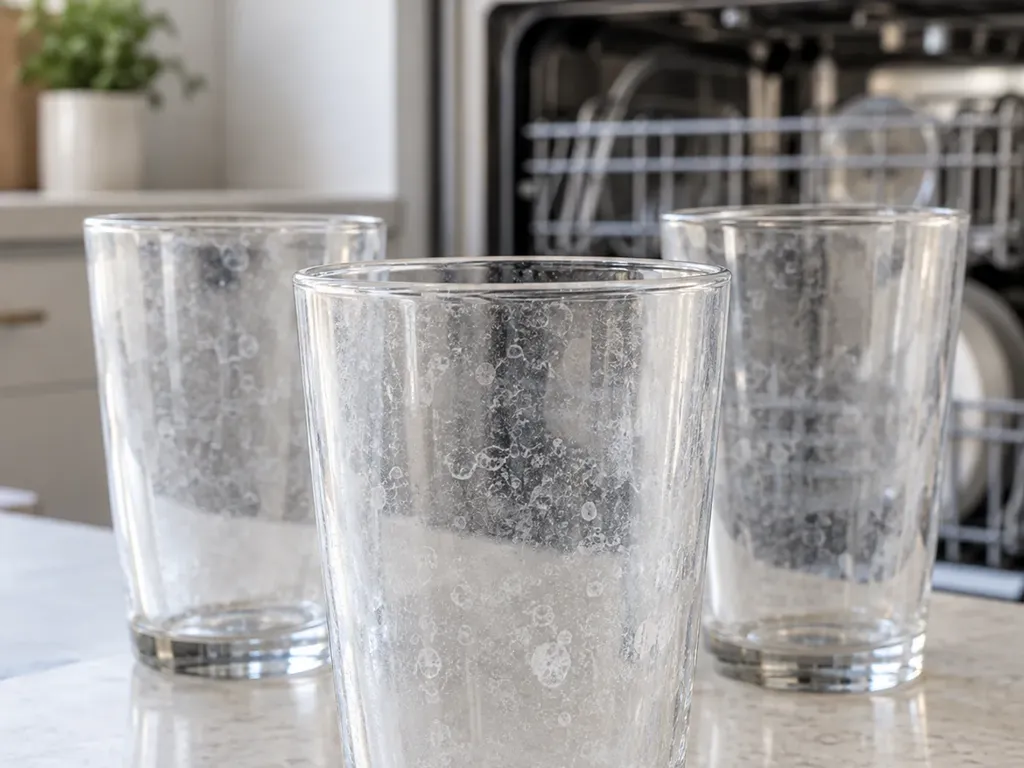
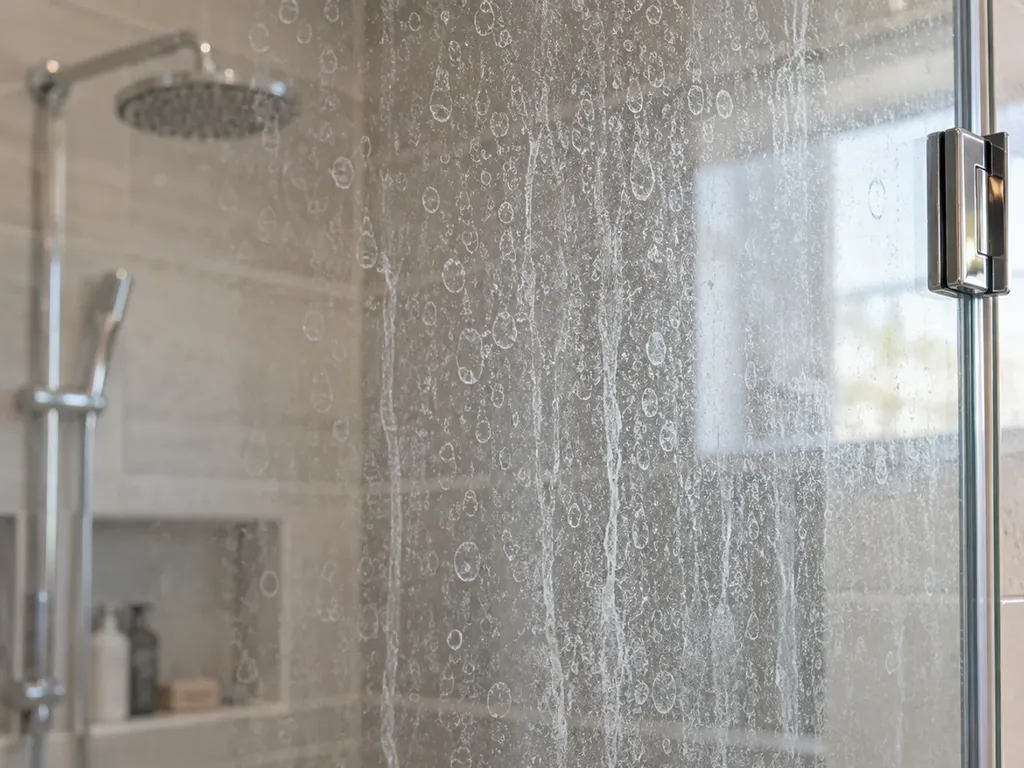
What hard water looks like

Limescale crusted over the holes of a chrome shower head

Crusty shower head. White buildup clogs the spray.

White hard water scale around the base of a bathroom faucet

Faucet scale. Comes right back after you scrub.

Cloudy, spotted drinking glasses straight out of the dishwasher

Cloudy glasses. Even right out of the dishwasher.

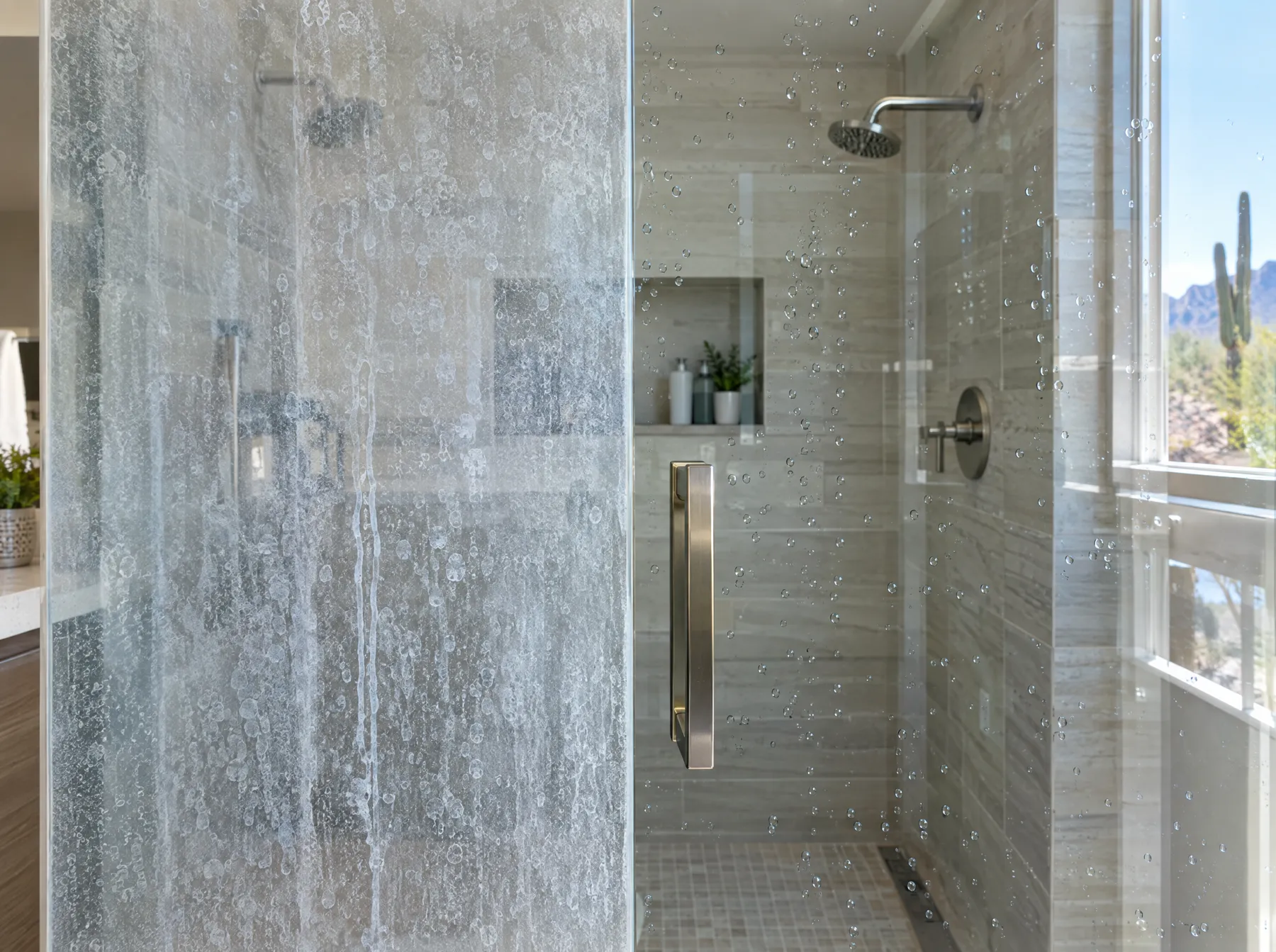
Hard water stains leaving a white film on shower glass

Hard water stains on glass. That foggy film that won't wipe off.

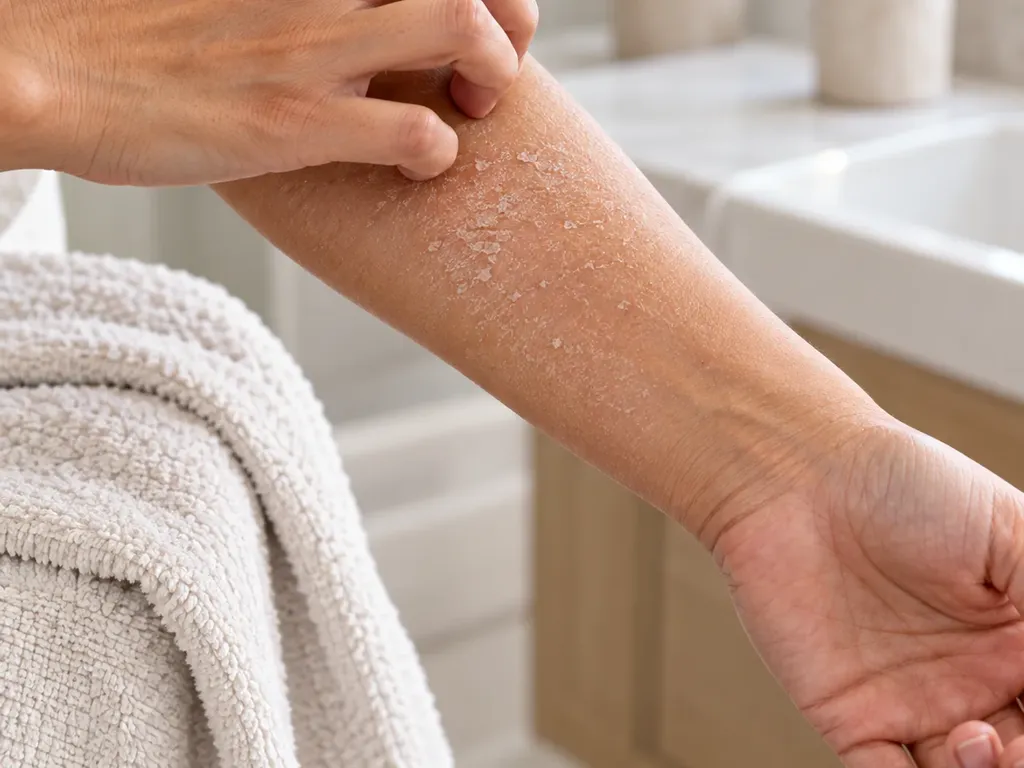
A hand with dry, flaky skin from washing in hard water

Dry, itchy skin. Soap film stays on your skin.

Dull, dry, frizzy hair close up

Dull, stiff hair. Conditioner can't fix it.

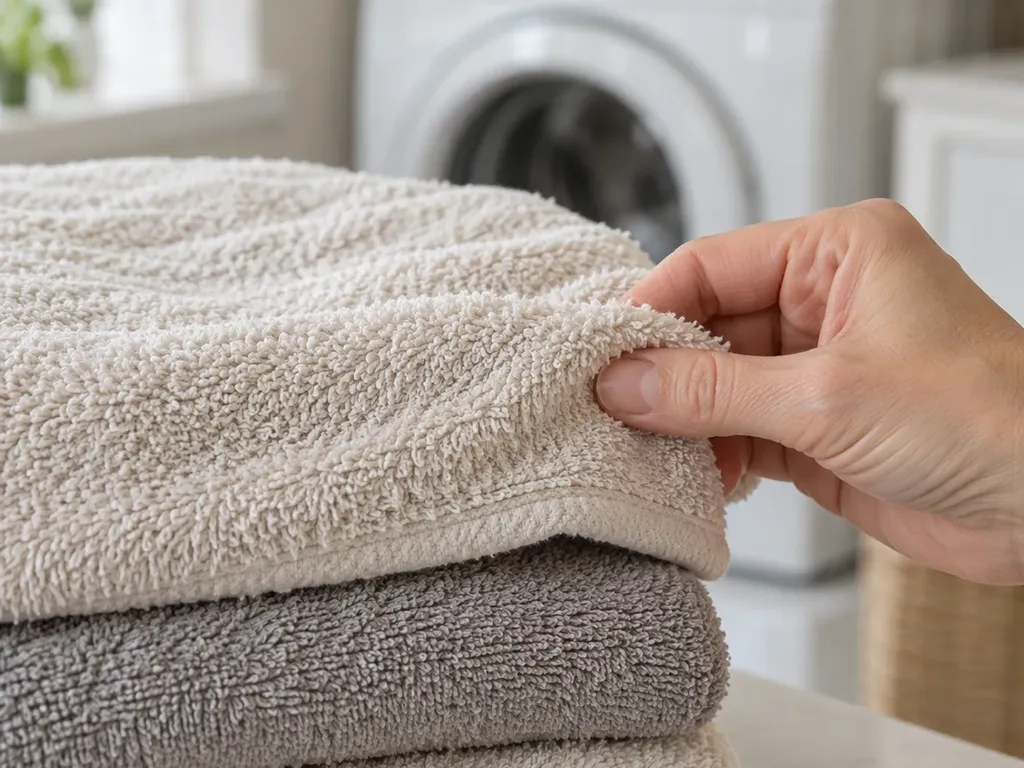
A hand feeling a stiff, scratchy bath towel

Scratchy laundry. Towels come out stiff and dull.

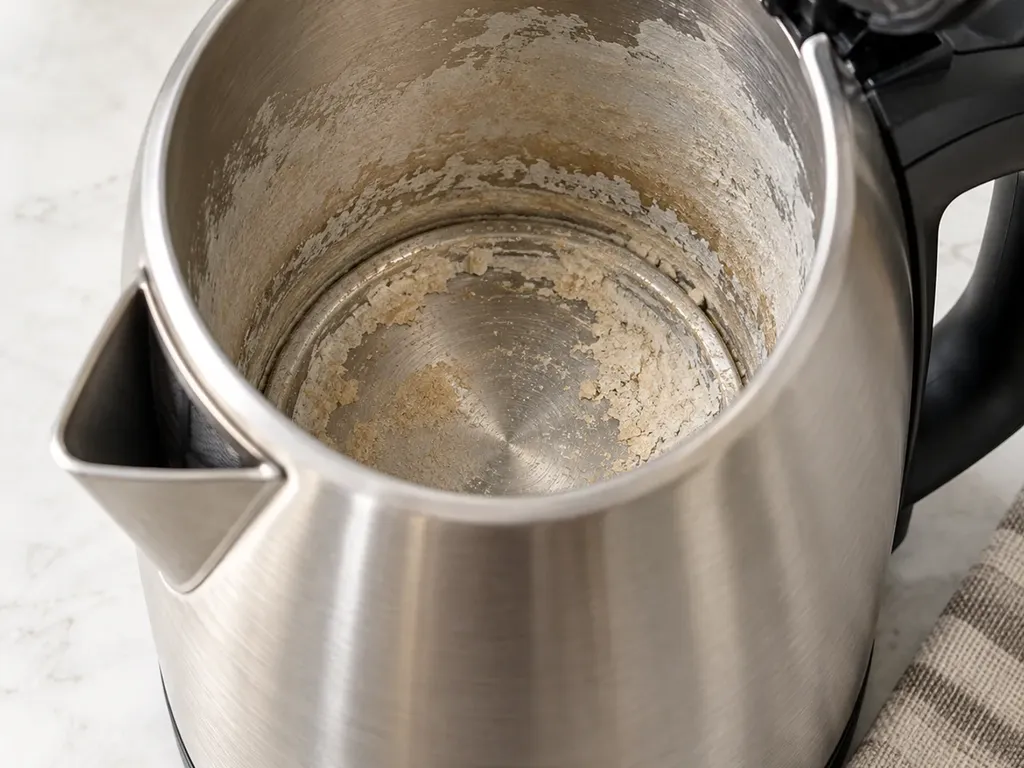
Limescale built up inside an electric kettle

Scale inside your appliances. The damage you don't see.

See 2 or more of these? Your water is hard.

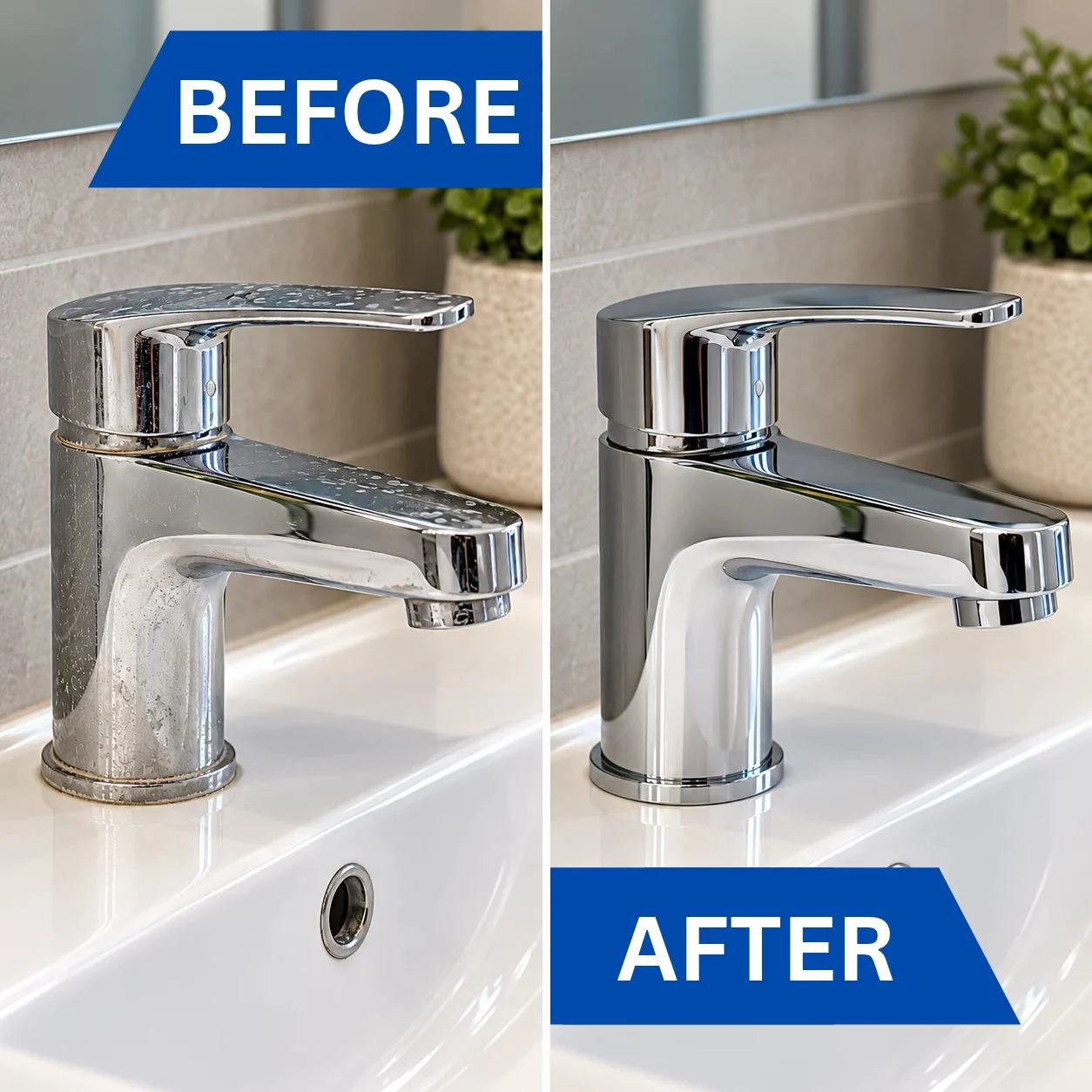
The same bathroom faucet before and after soft water: spotted with scale, then clean

Hard water, by the numbers

  • About 156 pounds of rock a year. That's how much calcium and magnesium a family of 4 runs through its pipes every year at 10 grains of hardness. In very hard water, it's about 250 pounds.
  • Up to 48% less efficient. Gas water heaters on hard water lost up to 48% of their efficiency.
  • Clogged in 18 months. Hard water clogged low-flow shower heads in as little as a year and a half.
  • 1 in 3 homeowners replaced appliances or fixtures because of buildup, and 66% were embarrassed when guests noticed.
  • About 85% of US homes have hard water.

Sources: pounds per year = 300 gallons a day (75 per person, family of 4) × grains of hardness × 64.8 mg per grain × 365 days; water heater and shower head figures: WQRF and Battelle studies; appliance and embarrassment figures: Morton Salt survey via the Philadelphia Inquirer; 85% figure: Market Growth Reports.

Get soft water 3 ways

Option Best if you
1. Whole-house systems with prices Softener + filtration + drinking water, installed. From $2,950. Want it all done, one flat price
2. Find your exact size Pick the softener that fits your home. Know you just need a softener (jumps to the size finder below)
3. Talk to a rep Tell us about your home. A rep reaches out right away, usually within 5 minutes. Want someone to just tell you

Or find your exact size

People at home Your size
1 to 2 24,000 grain
2 to 4 32,000 grain
3 to 6 48,000 grain
4 to 8 64,000 grain
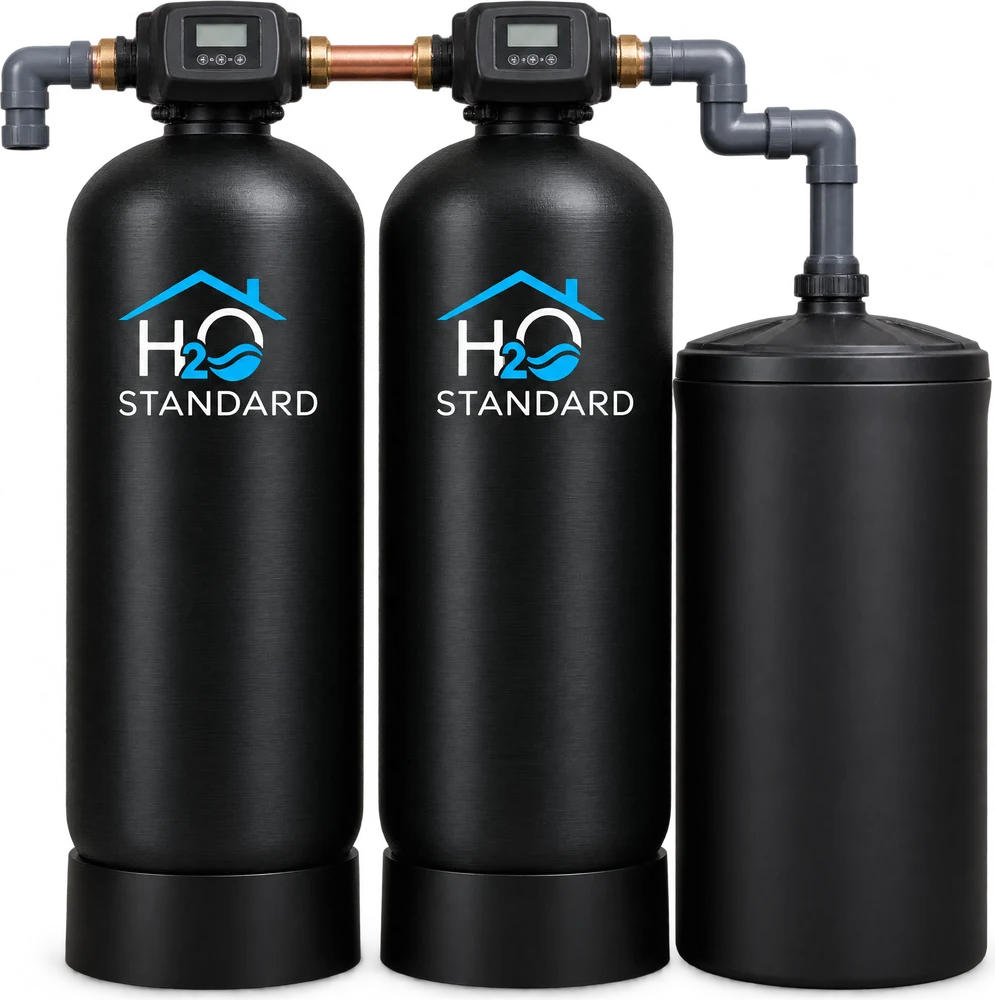
6+ or very hard water Twin tank

Very hard water can bump you up a size. Your free water report checks.

Salt-based or saltless?

  • Salt-based: removes hardness. The full fix for spots and dry skin.
  • Saltless: stops scale with no salt. Doesn't remove minerals.

Most homes get the best results with salt-based.

Don't ask if it pays for itself. Ask how many times.

Soft water protects your water heater, cuts soap costs and saves your appliances. Every year.

People at home
Water heater
Bottled water a week
0 cases
Appliances that use water

Email me my savings report

Get my price

Over 10 years, the City Water System pays for itself

1.4times

Every year

$414

Over 10 years

$4,136

Water heater energy
$130
Detergent and cleaning
$144
Appliances and fixtures
$140
Bottled water (with RO)
$0

An estimate, not a guarantee. Your numbers depend on your water, your home and your habits. Enter your ZIP code to use your local hardness; until then it assumes 10 grains.

Sources: Water heater efficiency: WQRF and Battelle (gas tank heaters lost up to 48% efficiency on hard water; the calculator uses a conservative middle value). Detergent: WQRF laundry and dishwasher studies (about 30% less at 10 gpg, nearly 70% less at 25 gpg). Fixtures: Battelle (low-flow shower heads clogged in about 18 months on hard water). Appliance figures are our own conservative estimate until customer data replaces them.

Better water in 3 steps

  1. 1Check your water (free)
  2. 2Get your exact price on a quick call
  3. 3A licensed plumber installs it

Every install comes with

  • Licensed local plumber install
  • Before-and-after water test
  • 30-day money-back guarantee on the system
  • Warranty: manufacturer warranty on the equipment, plus 1 year on labor
  • Filter subscription option: new filters every 6 months

The H2O Standard Vs. The Usual Options

Most homeowners end up choosing between an in-home dealer and a big-box DIY kit. Here's how they stack up, in our honest opinion.

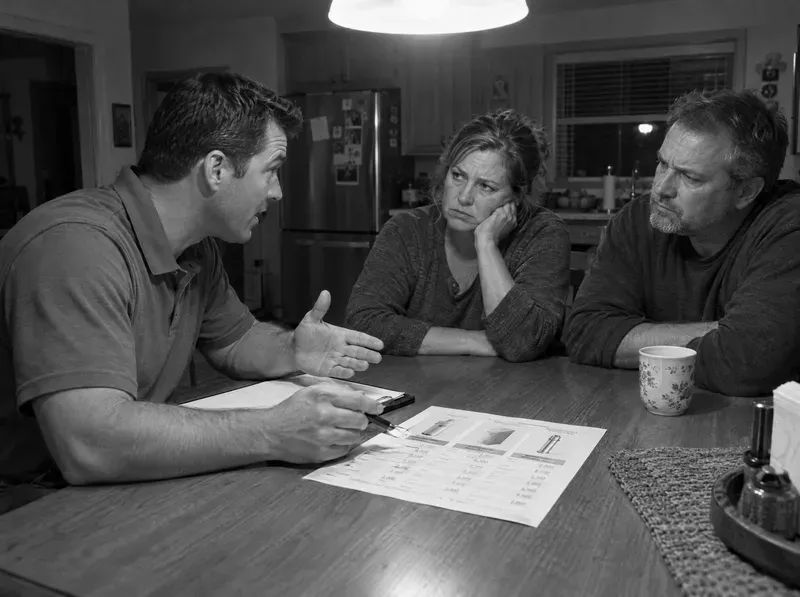
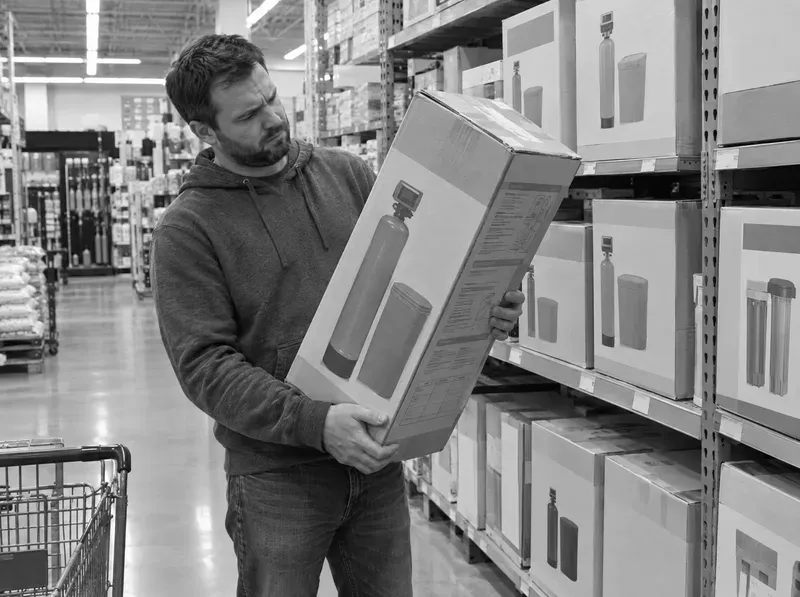
What mattersThe H2O StandardA water treatment salesman pitching a couple at their kitchen tableIn-home dealerA homeowner reading the side of a boxed water softener in a store aisleBig-box DIY
Price you can see before anyone visitsOne flat priceQuoted at your kitchen tableBox price only
No sales pitch in your living roomOften a 2 to 3 hour visit
Installed by a licensed local plumberTheir own crewYou do it
Sized to your water and householdFrom your ZIP's water reportAfter their in-home testGuesswork
Softener, carbon, RO and remineralization togetherOne priceUsually sold separatelyBought one by one
Equipment straight from the sourceMaster distributorDealer markupRetail brands
A water expert to answer questionsBefore and after you buyThe salesperson
30-day money-back guaranteeRarelyStore return policy

Our Water Softeners

Life with soft water vs. without

Without It

  • Scrubbing crust every weekend
  • Dry, itchy skin and dull hair
  • Gas water heaters losing up to 48% efficiency
  • Buying more soap and detergent
  • Hauling bottled water home
  • Spots and film on your glasses

With It

  • Wipe it and you're done
  • Softer-feeling skin and hair
  • Factory efficiency for its whole life
  • Up to 70% less detergent on very hard water
  • Pure water from your own tap (with RO)
  • Spotless glasses straight from the dishwasher

Water heater and detergent figures: WQRF and Battelle studies (see savings calculator sources).

How we work, start to finish

  1. 1

    You reach out or book online

  2. 2

    A rep calls you, usually within 5 minutes, to confirm your system and answer questions

  3. 3

    We schedule a licensed local plumber, usually within a week

  4. 4

    Install day: a few hours, plus a before-and-after water test

  5. 5

    After that: new filters every 6 months if you subscribe

Our Honest Take

The H2O Standard water team, 20+ years in water treatment

Will it actually save you money?

If your water is hard, a softener is one of the few home upgrades that keeps paying you back. You use less soap and detergent, your water heater holds its efficiency, and your fixtures and appliances stop dying early from scale. The savings aren't dramatic in one month; they add up over the years you own it. The catch is that it has to be the right size, or you give some of those savings back in salt and wear.

How it works

A softener uses ion exchange. Resin beads inside the tank grab the calcium and magnesium that make water hard and trade them for a little sodium. When the beads are full, the system regenerates: salty brine from the second tank washes the minerals out and recharges the resin. A typical regeneration takes about 14 minutes and runs while you sleep.

What most people get wrong

Size. Too small and it regenerates constantly, burning salt and wearing out early. Too big and you paid for capacity you'll never use, and the resin can sit unused long enough to channel. Most people size by the number of bathrooms, when what actually matters is how many people live there and how hard the water is.

What we do instead

We size from the math: your hardness from your ZIP's water report, times the water your household uses, times a sensible number of days between regenerations. Then a licensed plumber installs it. We've sized and installed for 15,000+ homes over 20+ years, so the math isn't a guess.

What most companies don't tell you about softener size

The question we get asked most about this, after 15,000+ of installs:

Every softener is sold by its grain number: 24,000, 32,000, 48,000. What most people don't know is that the number on the box is usually the capacity at the highest salt setting. Set it to use less salt, which is what you want, and the real capacity drops.

Roughly speaking, one cubic foot of softener resin removes about 20,000 grains on a low salt setting and about 30,000 or more on the highest. So a "32,000 grain" softener set to save salt might really give you closer to 20,000 before it needs to recharge. That's why we size to your real usage at an efficient salt setting, not the number on the box.

Three other things matter more than most people think:

The control valve. A metered valve recharges only when you've used enough water. A cheap timer valve recharges on a schedule, whether you used water or not, and wastes salt. The resin. On chlorinated city water, 10% crosslink resin holds up much longer than standard 8%. Ours is catalytic. A bypass valve. So you can shut the softener off for watering the lawn or a repair without shutting off your house.

Ask any company about all three. If they can't answer, that tells you something.
Other water companies buy their softeners from us

20+ years in water. We build our softeners with our own manufacturers, some with our own patents. You get pro-grade systems without the dealer markup.

  • 20+ years in water
  • Our own patents
  • We supply other water companies
  • 15,000+ of systems sold
  • Licensed installers

Questions people ask

Do I need a water softener?

If you see white crust on your faucets, spots on your glasses, or your skin feels tight after a shower, you almost certainly have hard water. Anything over about 7 grains per gallon (120 ppm) counts as hard, and most of the country is over that. Your free water report gives you the exact number in seconds.

What does a water softener actually do?

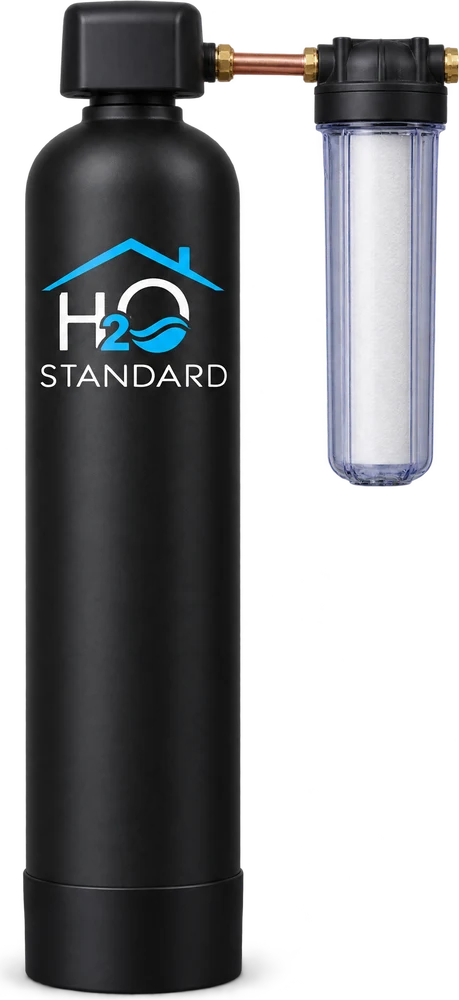
It pulls calcium and magnesium out of your water before it reaches your pipes. Those two minerals are what leave scale, spots and soap film behind. It doesn't filter chlorine or chemicals; that's a carbon filter's job, which is why most of our systems include both.

Is a water softener worth it?

With hard water, almost always. It protects your water heater, cuts what you spend on soap and detergent, and keeps your fixtures from crusting over. The better question isn't whether it pays for itself, it's how many times. The savings calculator above shows your number.

What size water softener do I need?

Quick math: people in your home × 75 gallons a day × your hardness in grains. That's how many grains your softener removes each day; pick one that covers about a week. Most families land on 32,000 or 48,000 grain. Your water report does the math for you.

Is softened water safe to drink?

Yes. A salt-based softener adds a small amount of sodium, roughly 8 mg per liter for every grain of hardness it removes. If you're watching sodium, drink from a reverse osmosis tap (it's in our City Water System) or use potassium instead of salt.

Will a water softener lower my water pressure?

Not if it's sized right. Pressure problems come from undersized or clogged units. We match the system to your home's water flow.

Why does soft water feel slippery?

That's what your skin feels like without soap residue on it. Hard water leaves a film that makes skin feel squeaky; soft water rinses soap all the way off. Most people stop noticing within a week, and then can't go back.

How long does a water softener last?

Usually 10 to 15 years. Chlorine in city water wears out softener resin faster, which is why we pair the softener with carbon filtration and use chlorine-resistant 10% crosslink resin.

Where does a water softener go?

Where your main water line comes into the house, before the water heater. That's usually the garage, a utility room, or outside under a cover in warm states. It needs a drain and an outlet nearby. Outdoor spigots are usually left on regular water.

Can I install a water softener myself?

It ties into your main water line, needs a drain, and in many areas needs a permit and a licensed plumber. Our price includes a licensed install, and our warranty and money-back guarantee depend on it.

Find the right softener for your home