We build our systems with our own manufacturers, some with our own patents, and we've supplied softeners to other water companies for years. Here's what that's taught us.
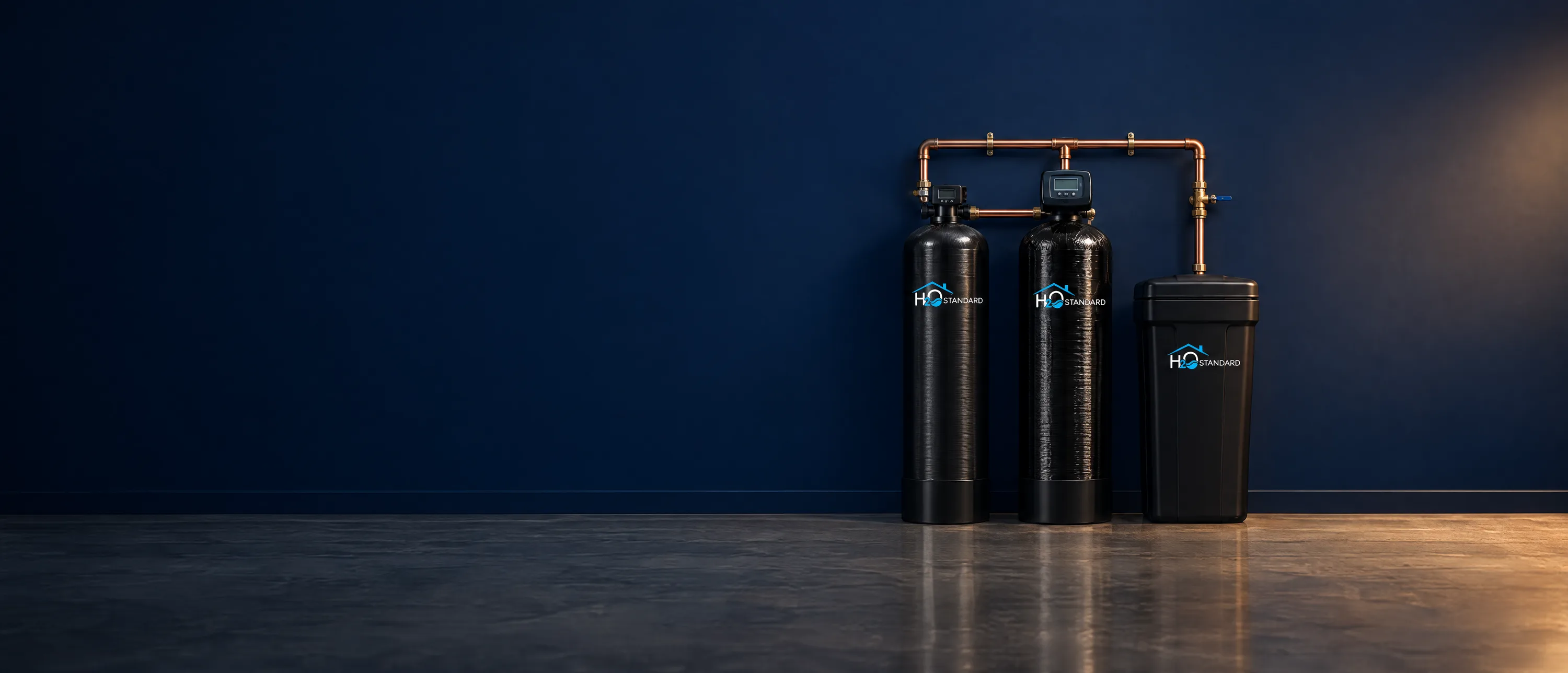
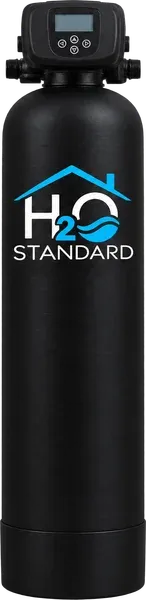
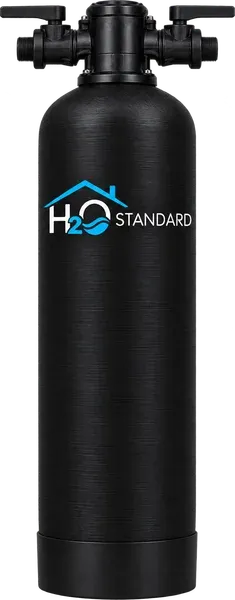
Order matters. In our City Water System, the water hits the carbon filter first, then the softener. Here's why.
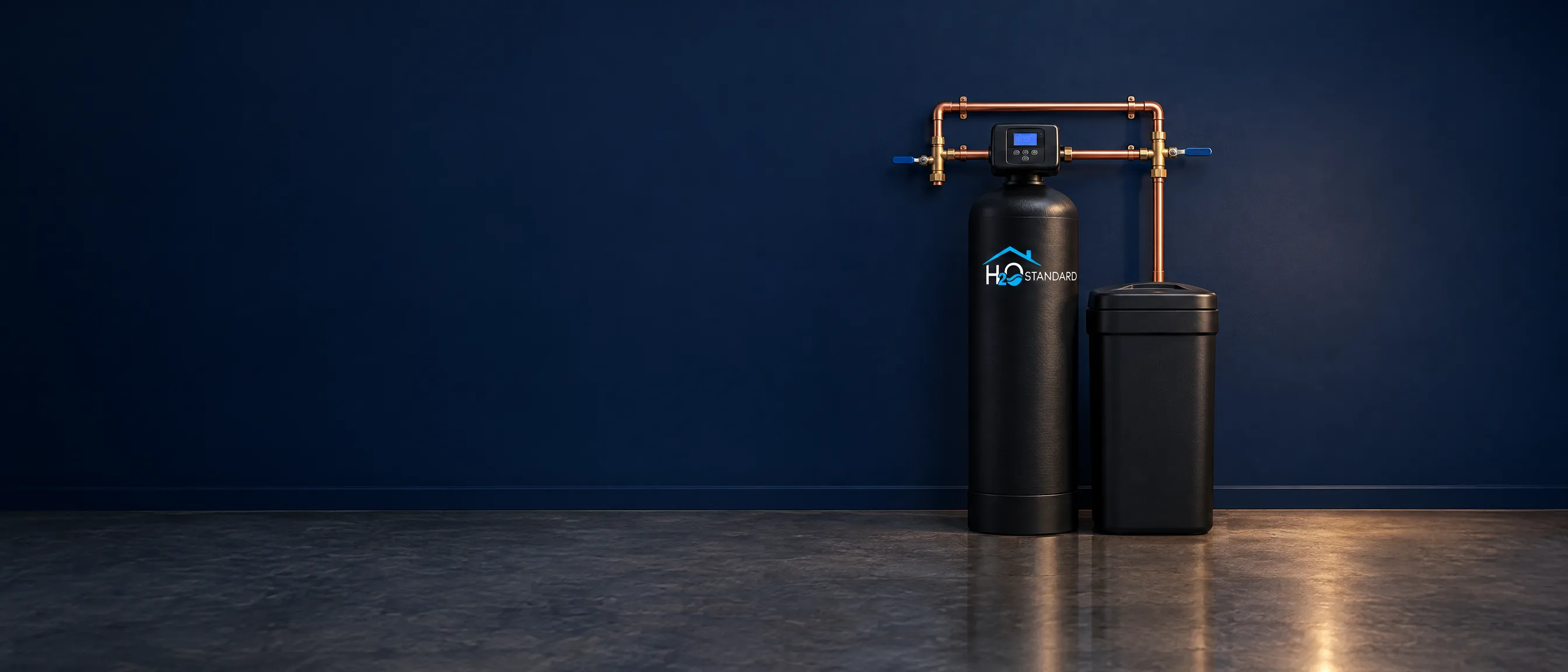
Chlorine and chloramine don't just affect taste. Over time, they break down softener resin, the beads that do the softening. Resin that should last well over a decade can wear out years sooner on chlorinated city water. Putting carbon in front takes the chlorine out first, so the resin lasts longer and keeps softening like new.
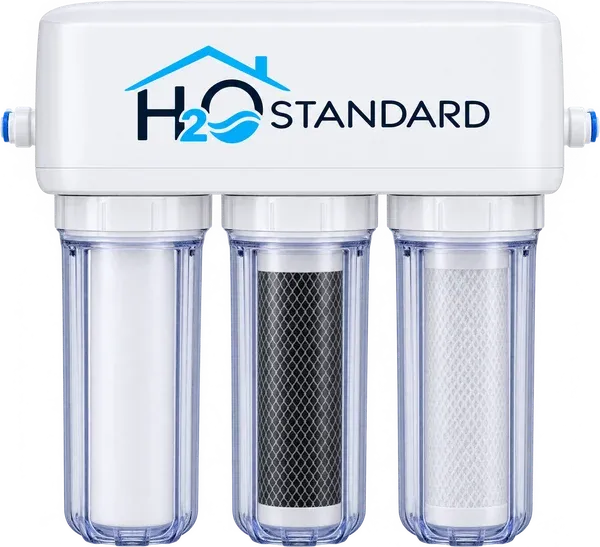
Then the reverse osmosis at the kitchen sink gets water that's already soft and filtered. That's easier on the RO membrane, so it lasts longer too.
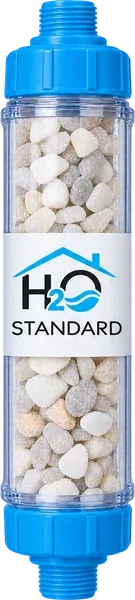
The last stage, remineralization, adds a little calcium and magnesium back into your drinking water. RO water is very pure, and some people find it tastes flat. The minerals bring the taste back.
It's the same reason we use catalytic carbon in chloramine cities like Tampa, Miami, Dallas and Houston: regular carbon handles chlorine fine but struggles with chloramine. Every part of this system is chosen and ordered so the next part lasts longer.