

Your city uses chloramine. Here's what filters it out
Chloramine lasts longer than chlorine, and it's harder to remove.
Many cities now use chloramine instead of chlorine, and it's harder to filter out. Here's which filters handle it.
- Plain English
- Certified fixes only
- Free water report
Want the answer for your home?
Tell us your ZIP code and a rep calls you within 5 minutes to answer every question. No pressure, no sales visit.
You're probably on this page because:
- The pool smell won't go away, even with a filter
- You have a fish tank or home dialysis
Regular carbon struggles. Catalytic carbon doesn't.
Chloramine, by the numbers
- 8 of the 14 cities we serve use chloramine.
- 4 ppm: the federal maximum for chloramine in drinking water.
Sources: utility reports; EPA.
Chlorine vs chloramine
Chloramine is chlorine bonded to ammonia. It lasts longer in pipes but resists filtering.
What removes it
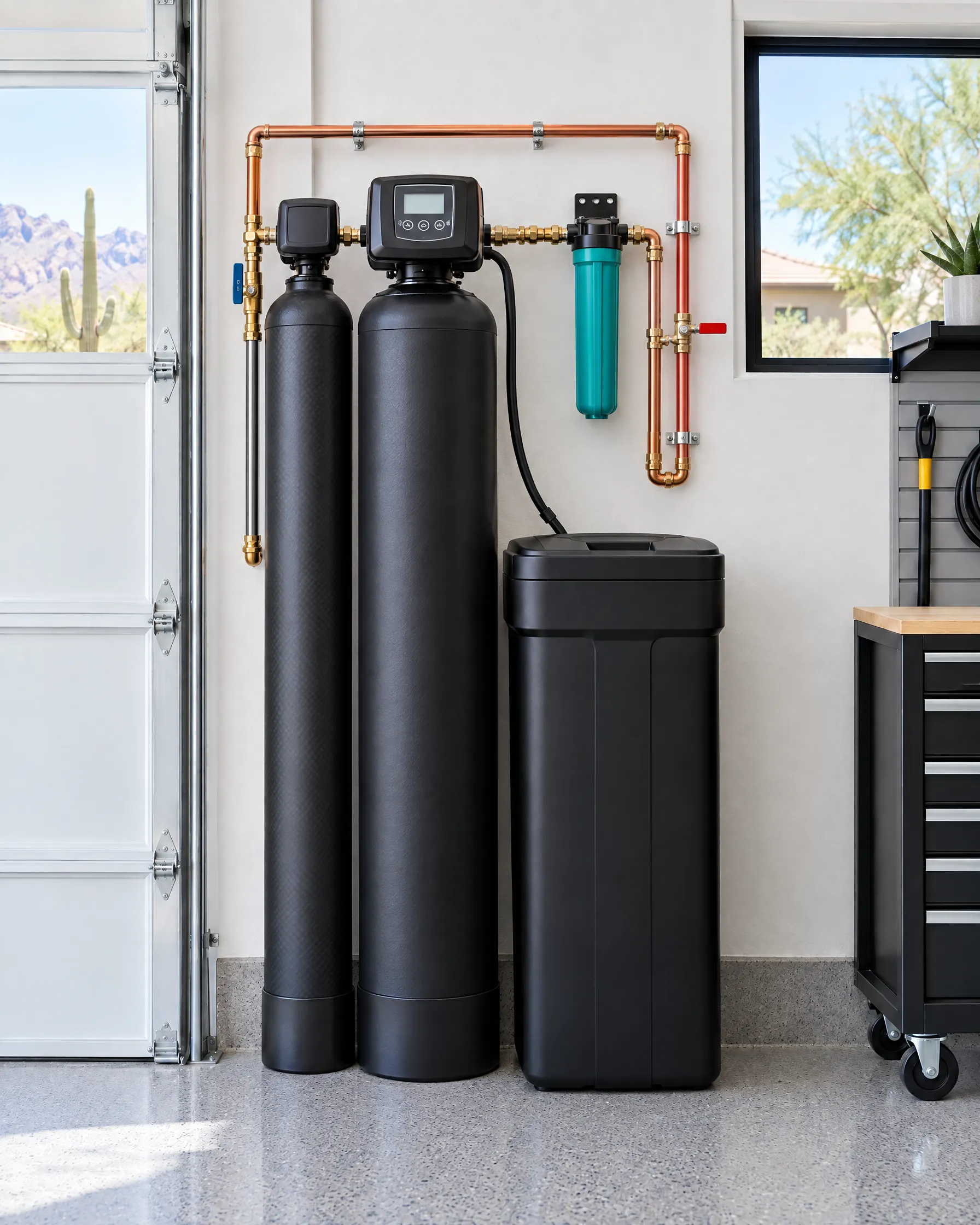
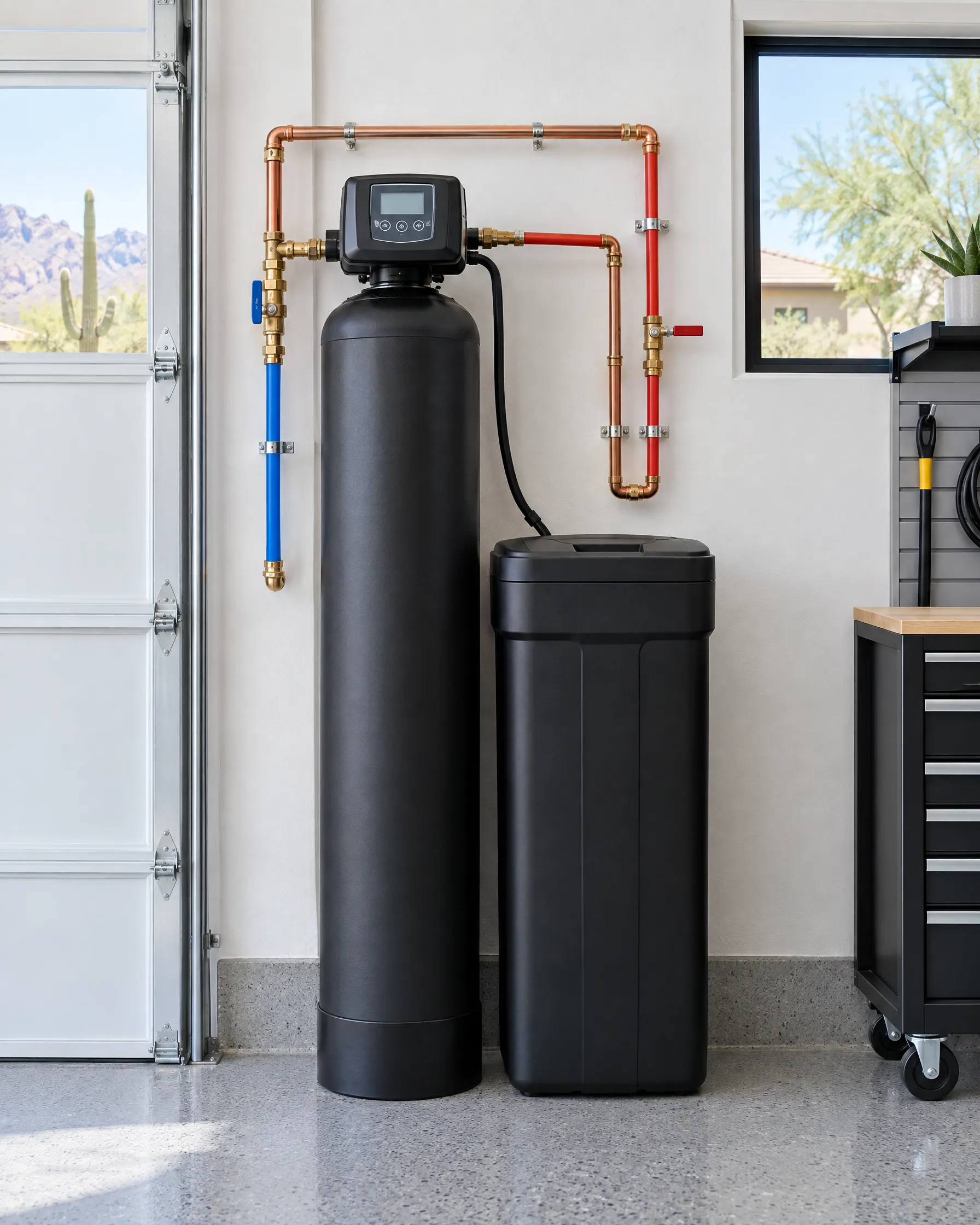
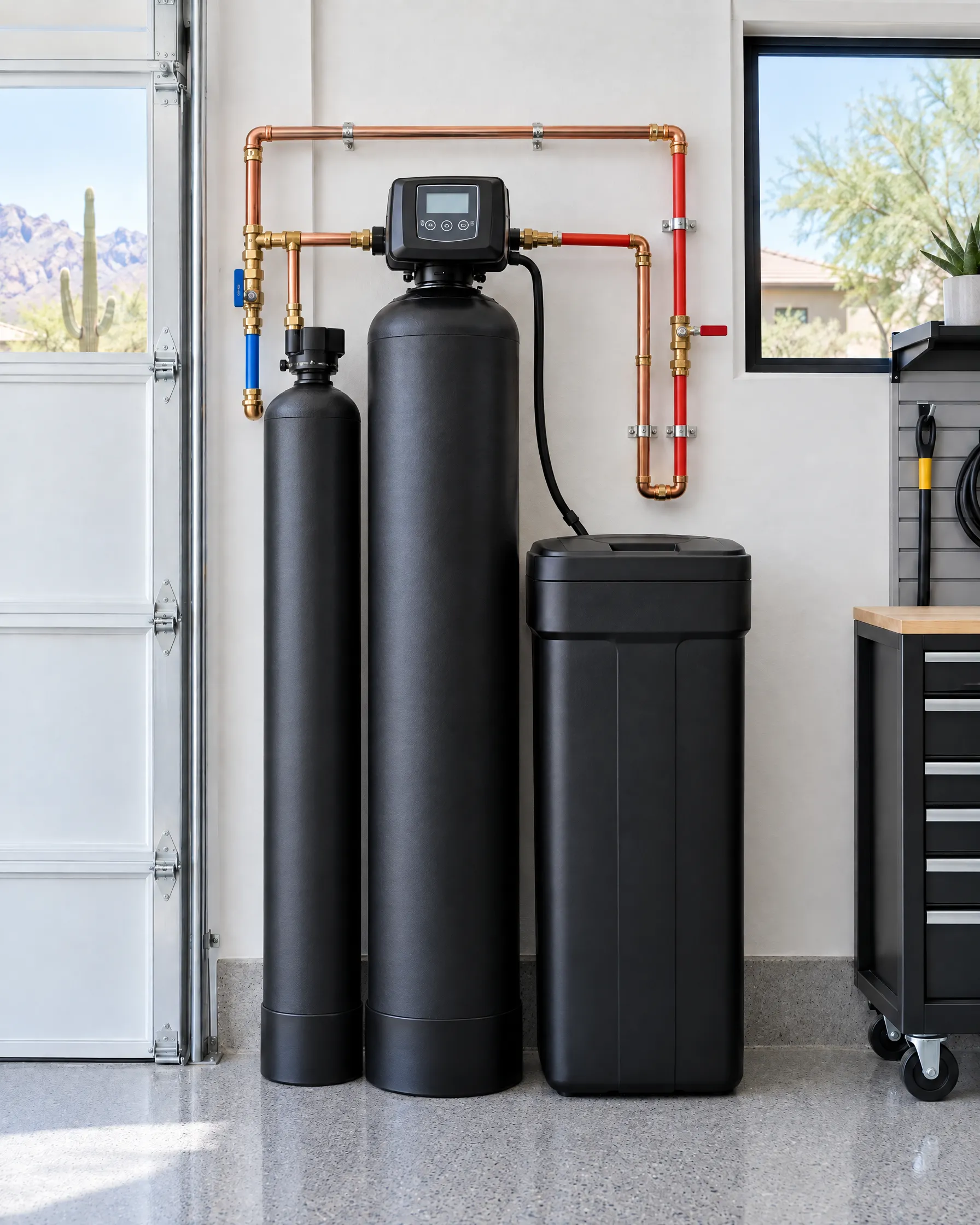
- Catalytic carbon, whole-house
- RO with a good carbon pre-filter
- Vitamin C shower filters
Who needs to know
Aquarium owners and home dialysis patients must remove chloramine; standard dechlorinator drops don't handle the ammonia part.
Life with it vs. without
| Without it | With it |
|---|---|
| Guessing what's in your water | Knowing, and fixing it |
Our take
Letting water sit doesn't work anymore
Working directly with our manufacturers, and holding our own patents, has taught us exactly where filters succeed and fail.
An old trick was leaving water out so chlorine evaporates. That doesn't work with chloramine: it's stable and doesn't evaporate quickly. Many people still try it.
If your city switched to chloramine, your old filter may not be keeping up. Look for catalytic carbon and enough of it for contact time.
Written by people who install these every day
20+ years in water. No fluff, just how it really works.
- 20+ years in water
- Our own patents
- We supply other water companies
- [Thousands] of systems sold
- Licensed installers
Written by [Name], [title], [20+] years in water treatment. Reviewed by [Licensed plumber name], license # [#]. Last updated [date]. Sources: listed under each "By the numbers" block and linked in the copy
More Water Problems
 Arsenic in well waterArsenic occurs naturally in some groundwater, especially in private and small shared wells. Here's how to test for it and which filters reduce it.Learn more
 Hard water in the showerA shower filter reduces chlorine at the shower head, but only a whole-house softener removes hardness. Here's what each can do for your skin and hair.Learn more
 Hot water smells like rotten eggsIf only your hot water smells, the cause is usually inside the water heater: the anode rod reacts with bacteria in the tank and makes the gas. When we install your softener or water system, our plumber checks your anode rod and swaps it if needed, so the smell doesn't follow you. [Confirm whether the swap is included or quoted.]Learn more
 Microplastics in your tap waterTiny plastic particles have been found in tap and bottled water. Here's how they get there and which filters are built to catch them.Learn moreMost filters don't remove fluoride. These do.Most standard filters don't remove fluoride. Reverse osmosis is one of the few home systems that can. Here's what works.Learn moreNitrates in your well waterNitrates come from fertilizer and septic systems and mostly show up in well water. Here's how to test and what removes them.Learn more
Related Pages
Questions people ask
Does a carbon filter remove chloramine?
Catalytic carbon does; regular carbon struggles.
Does boiling remove chloramine?
Not effectively.
Is chloramine safe?
At regulated levels, yes, for drinking.
Does RO remove chloramine?
With a good carbon pre-filter.
How do I know if my city uses it?
Check your city page or ZIP report.
Is chloramine bad for fish?
Yes, it must be removed for aquariums.